


safety & security
Safety & security policy
Safety is a top priority at CHEMPARK — both for the people who work here and for the local communities surrounding our sites. Many people feel a connection to both groups. CHEMPARK has a responsibility towards all of them.
All plants at CHEMPARK operate in accordance with a standardised safety concept. This concept has been reviewed and approved by the relevant authorities and is continuously refined. Preventive safety measures are regularly reviewed and optimised. At the same time, it is important to recognise that safety is never absolute. It is impossible to rule out an incident with absolute certainty. This makes clear structures, well-rehearsed procedures and forward-looking preparation all the more important.
Safety at CHEMPARK is therefore not achieved through individual measures. It is the result of an integrated system comprising organisation, technology, clear processes and qualified personnel.
Safety and Security Control Centre
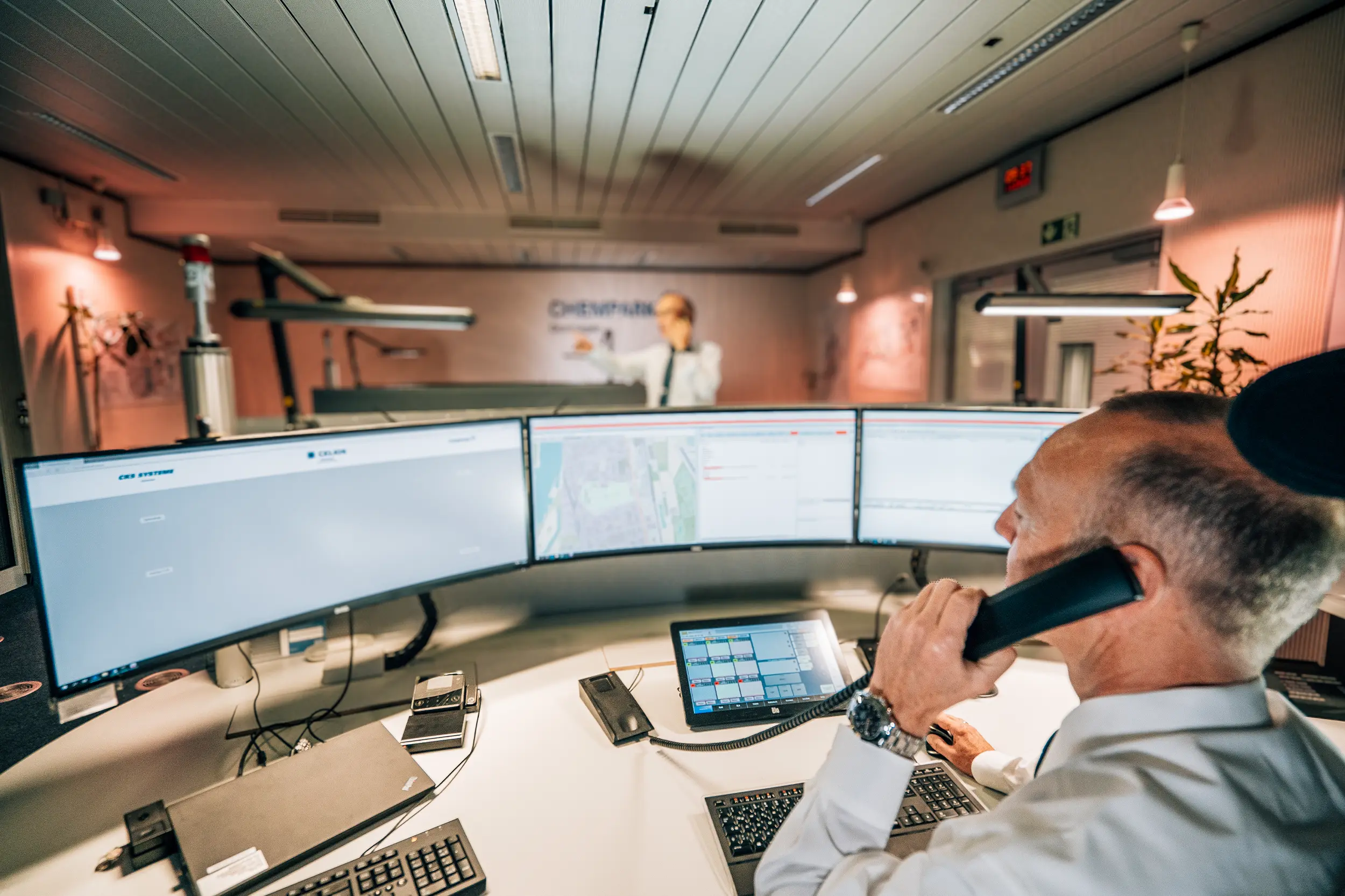
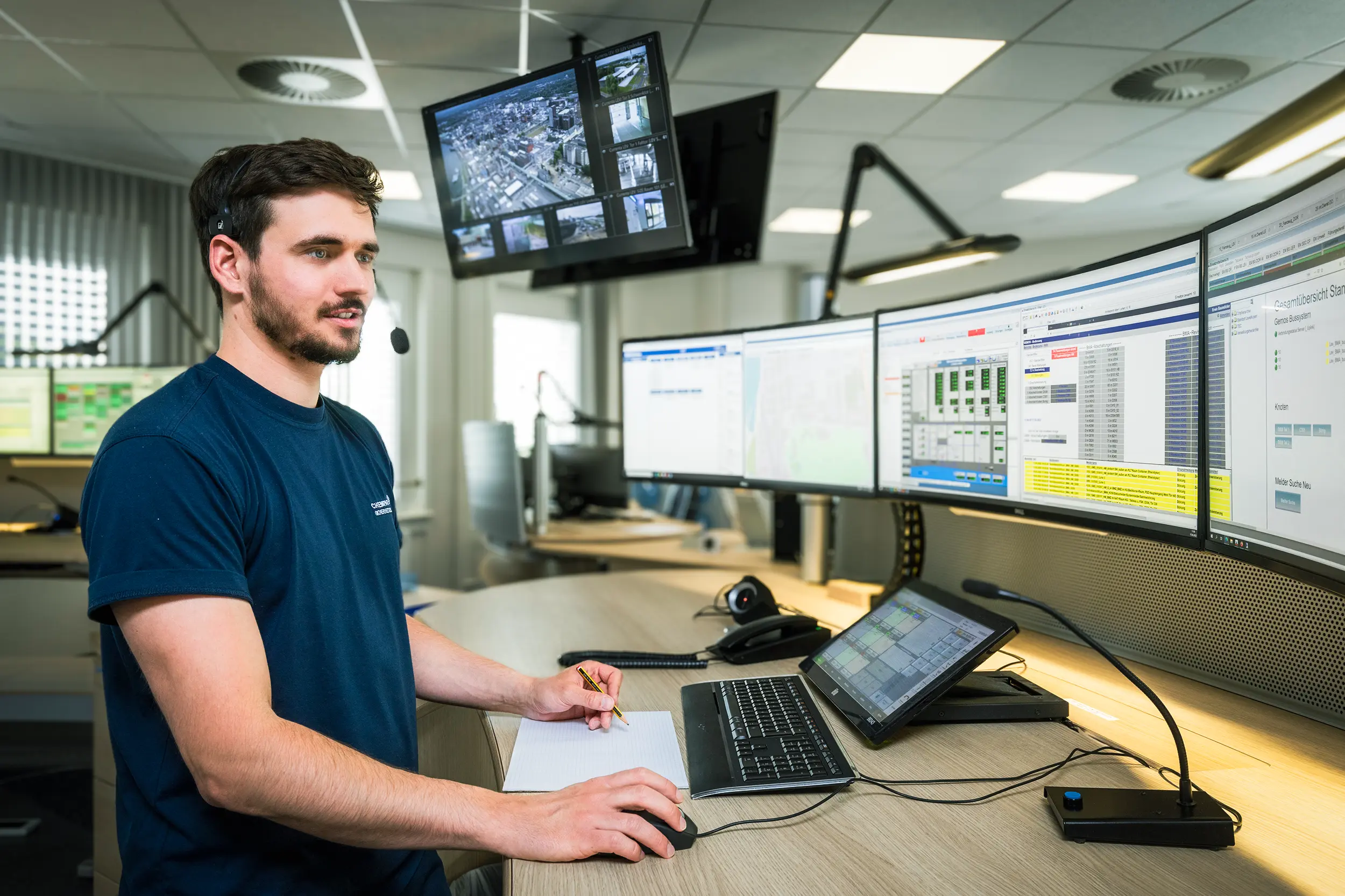
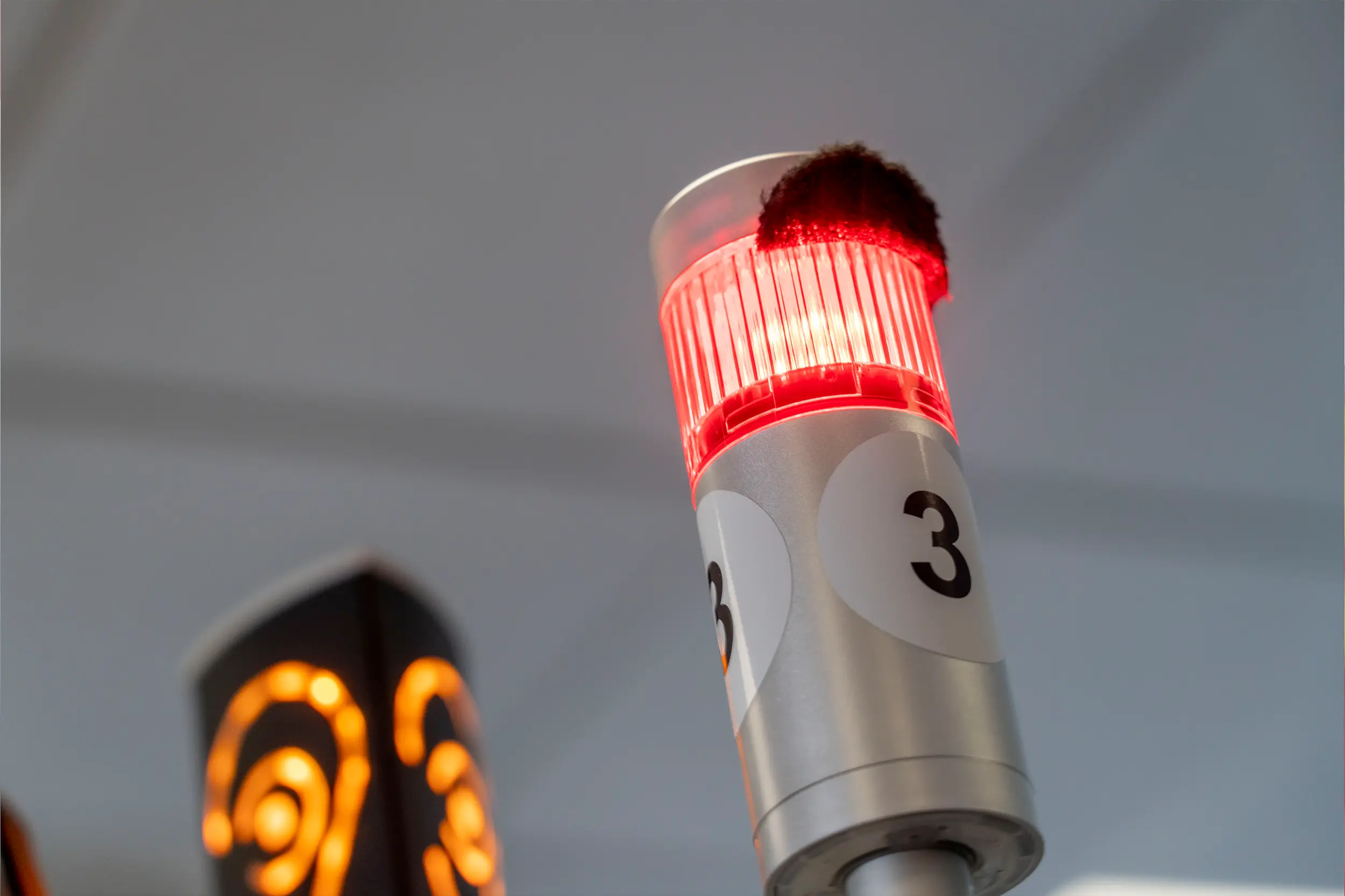
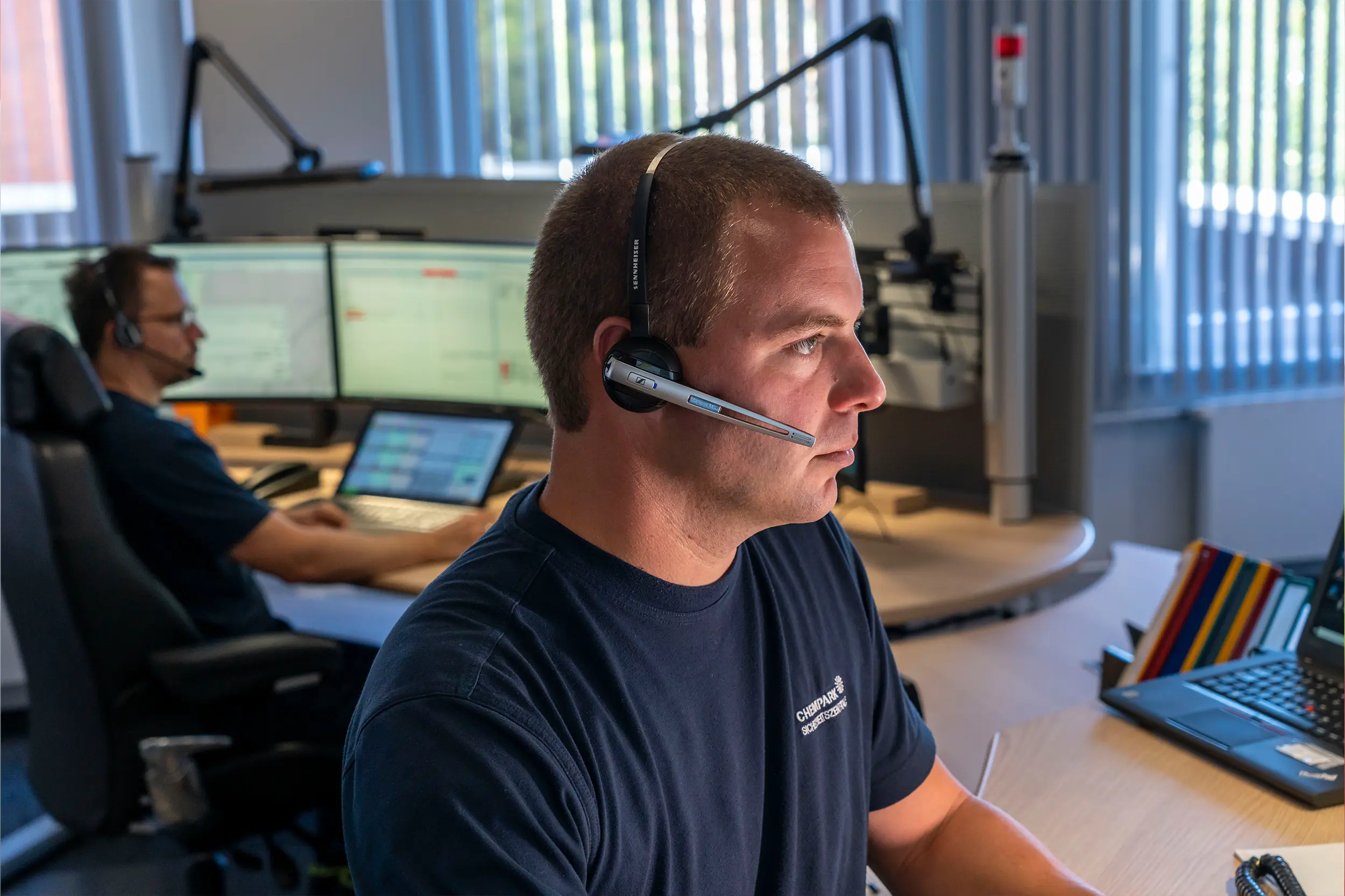
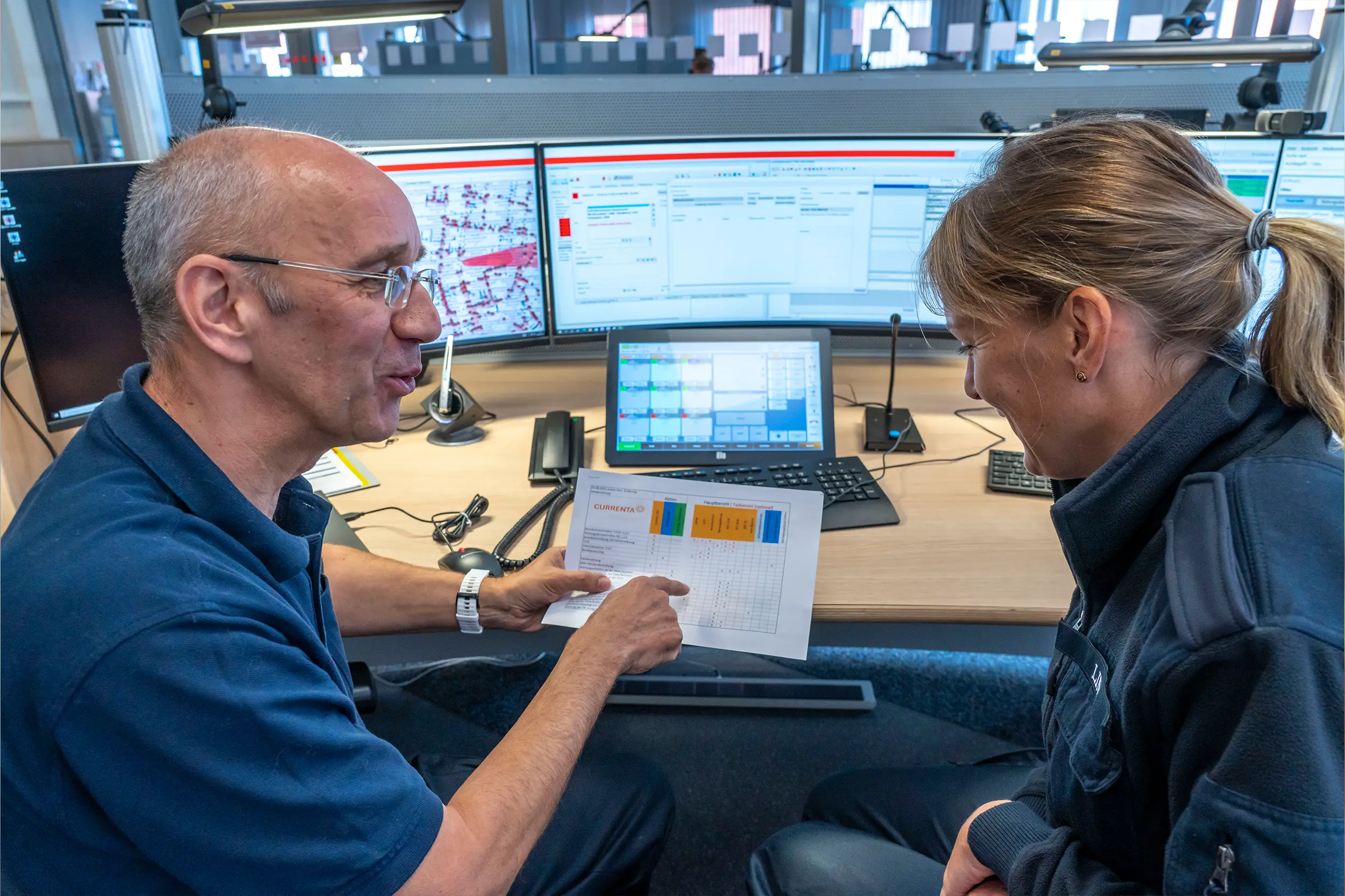
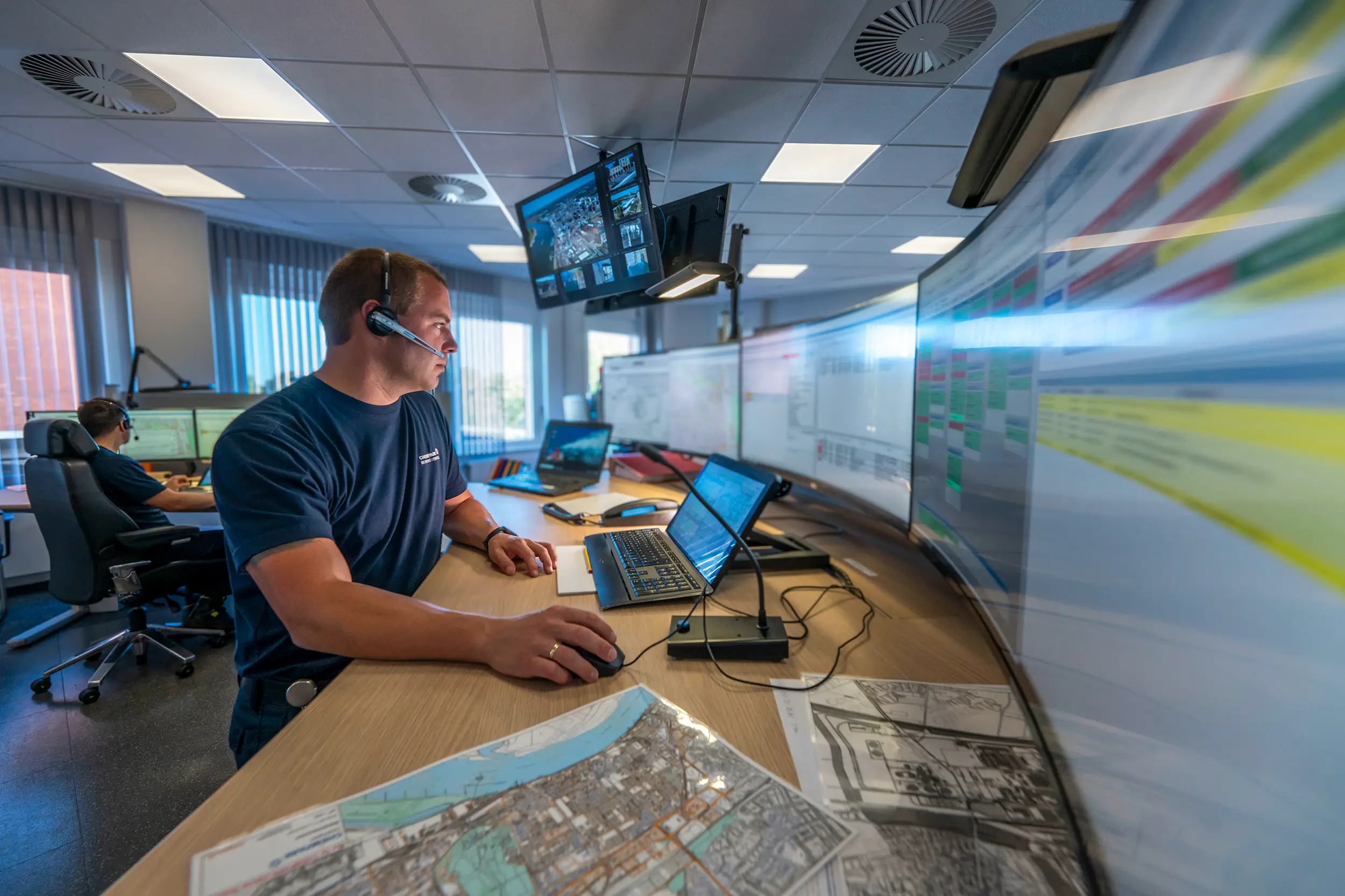
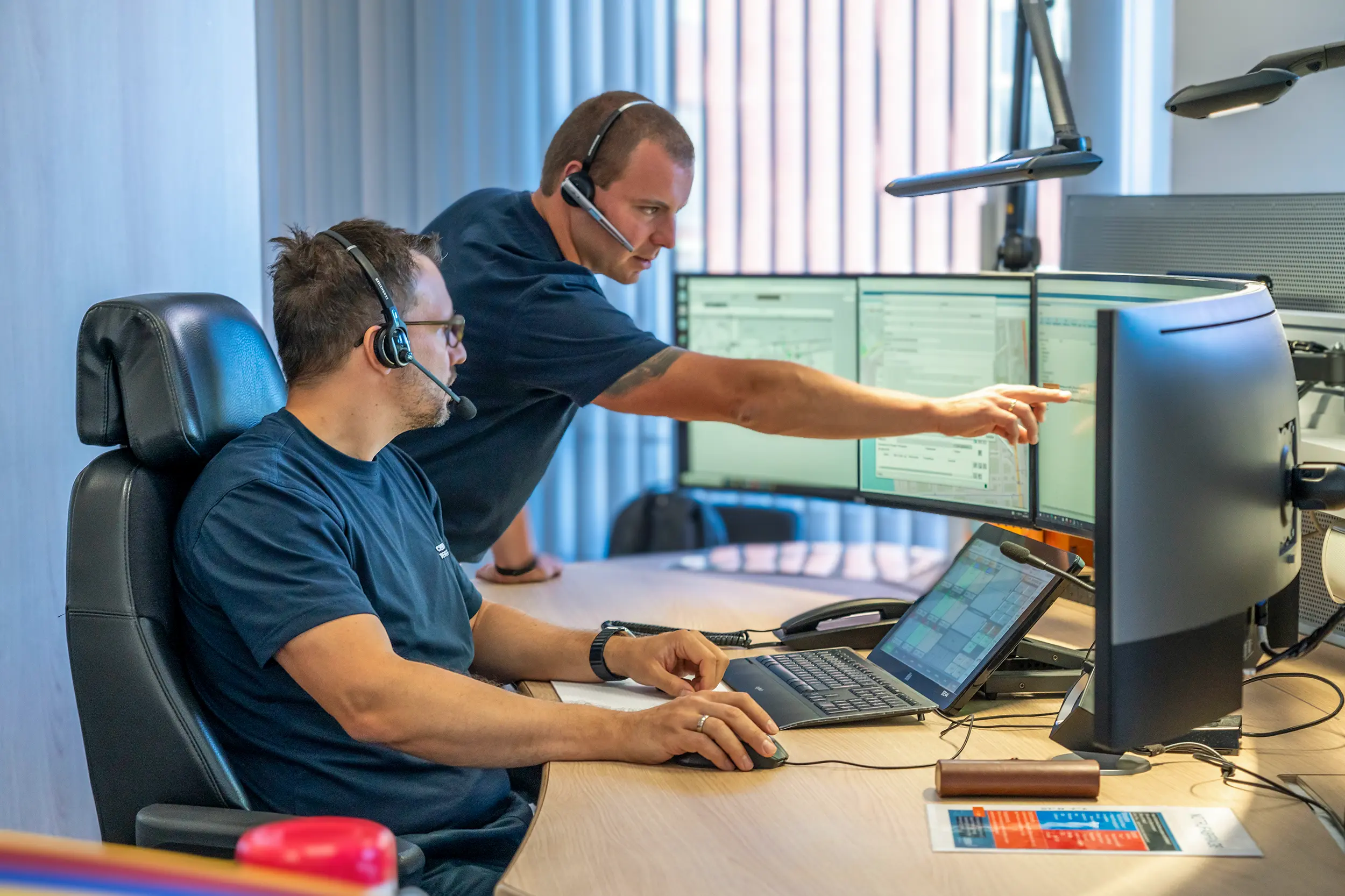
The Central Operations and Coordination Centre

Figures, data, facts
- Three security control centres at the Leverkusen, Dormagen and Krefeld-Uerdingen sites
- Round-the-clock operation: 24/7, 365 days a year
- Every year over 200,000 incoming and outgoing calls
- Central Coordination Unit for Emergency Response, Emergency Medical Services, Site Security, Environmental Monitoring and Crisis Management
- Connected across sites and mutually fail-safe
Site security
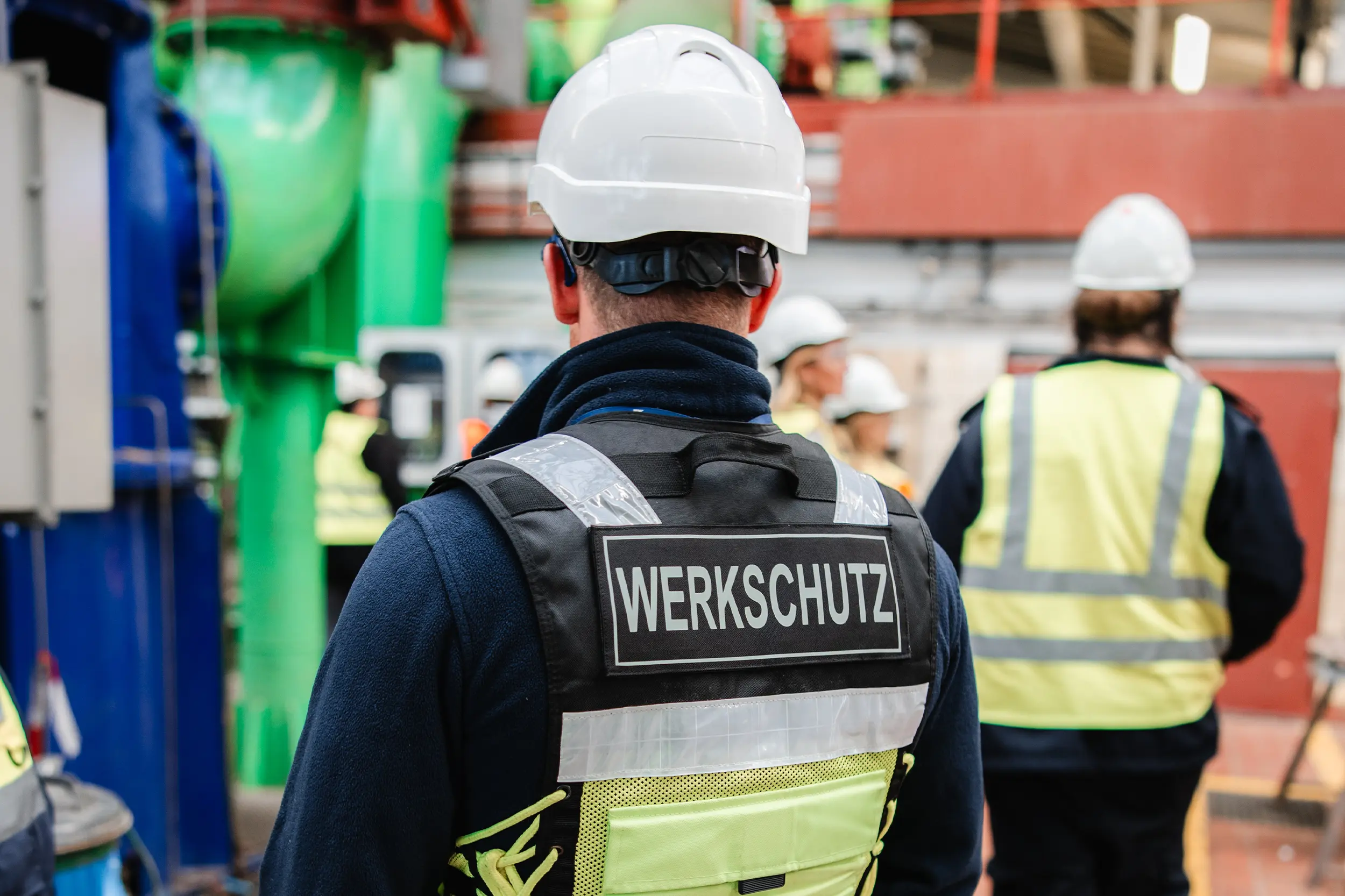
Safety in day-to-day operations
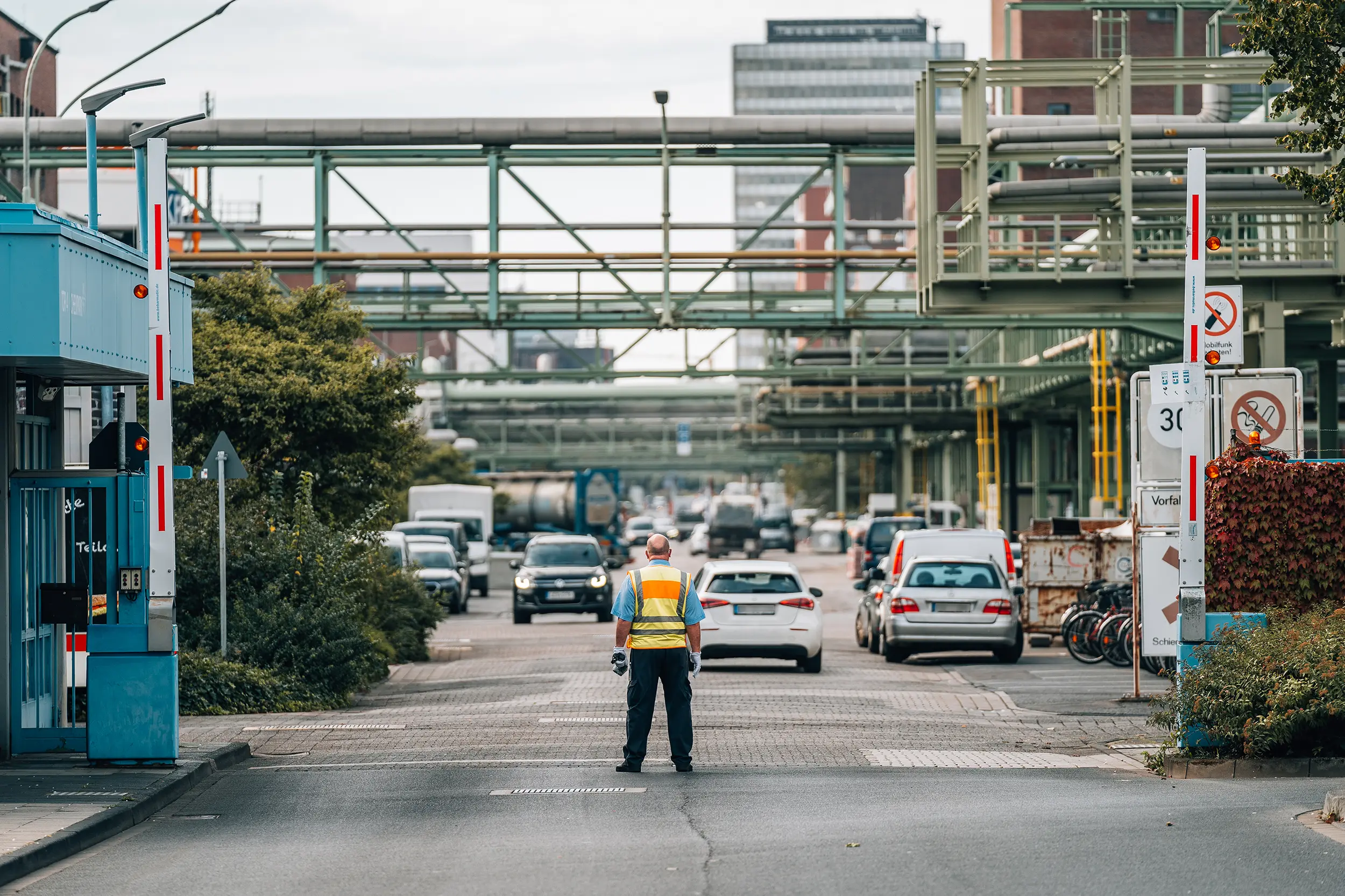
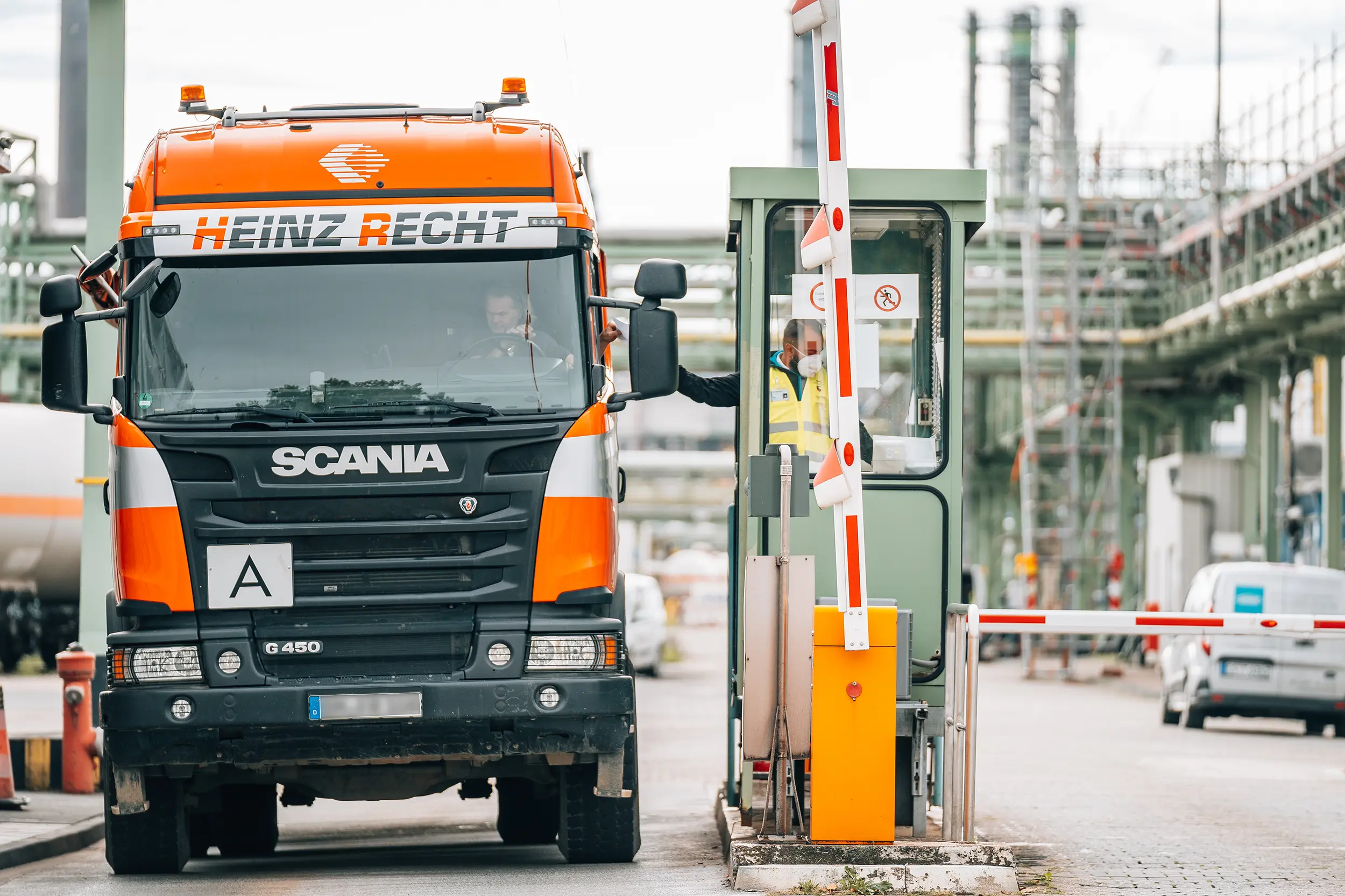
Figures, data, facts
- Responsible for the security of the CHEMPARK sites, the companies based there and their know-how
- Consistent security standards despite numerous access points and varying requirements
- Certification in accordance with DIN 77200-1 and DIN 77200-2 as proof of professionally qualified and standards-compliant services
- Monitoring audits ensure that performance standards are met
- Training and induction programmes, as well as simplified and clearer instructions, help to ensure the quality of the work
Plant fire brigade
Industrial security with specialist expertise
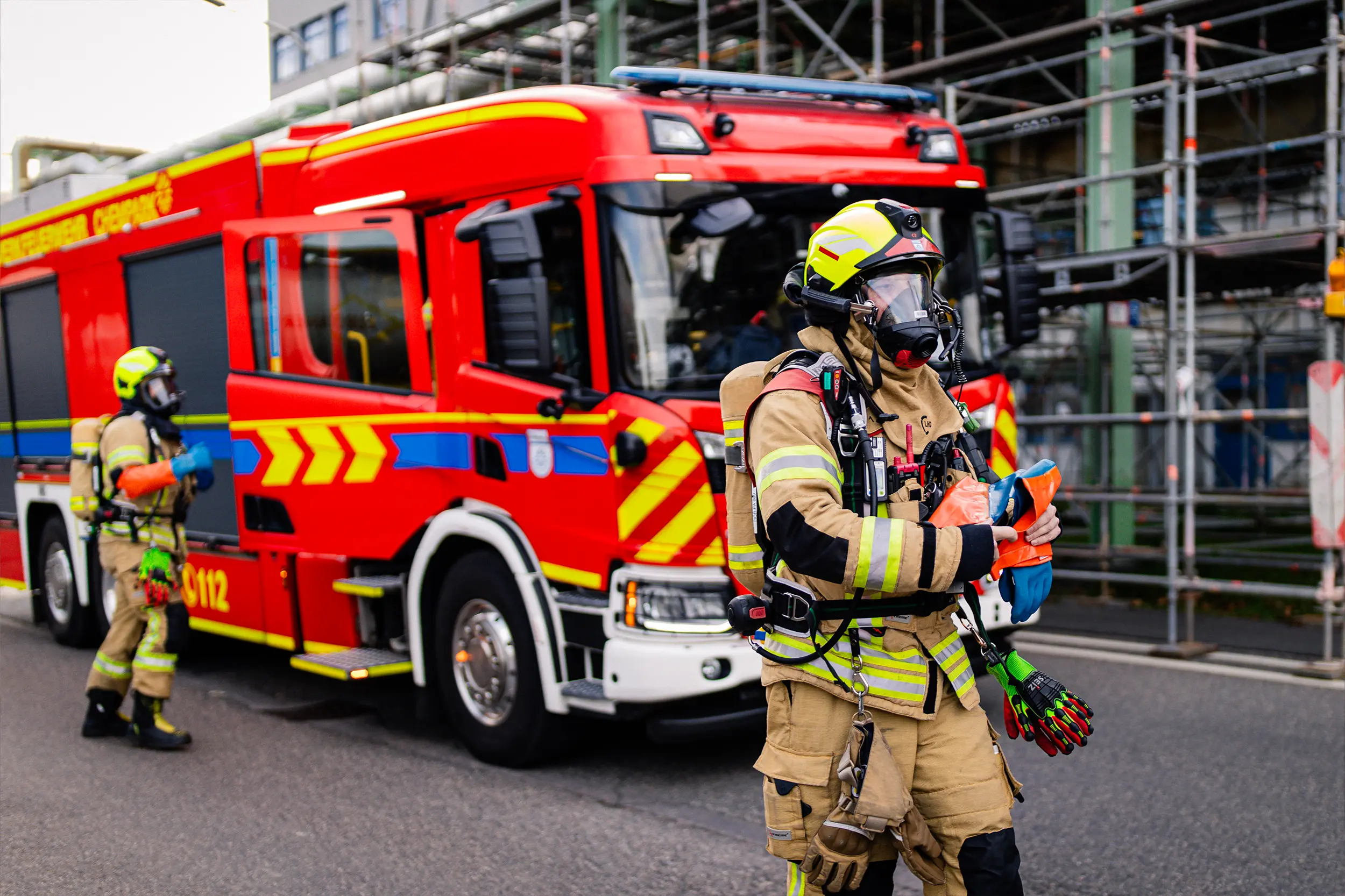
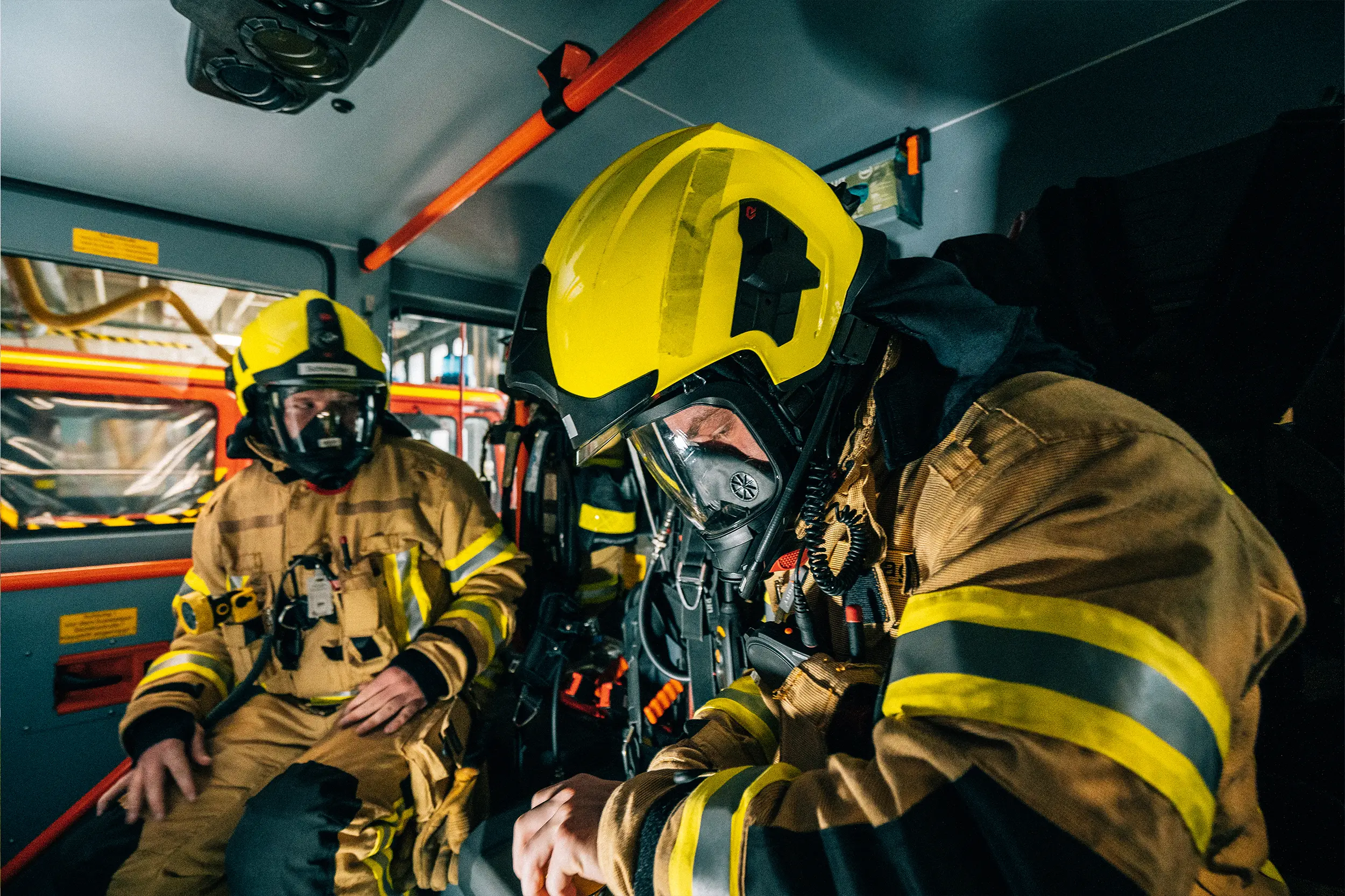
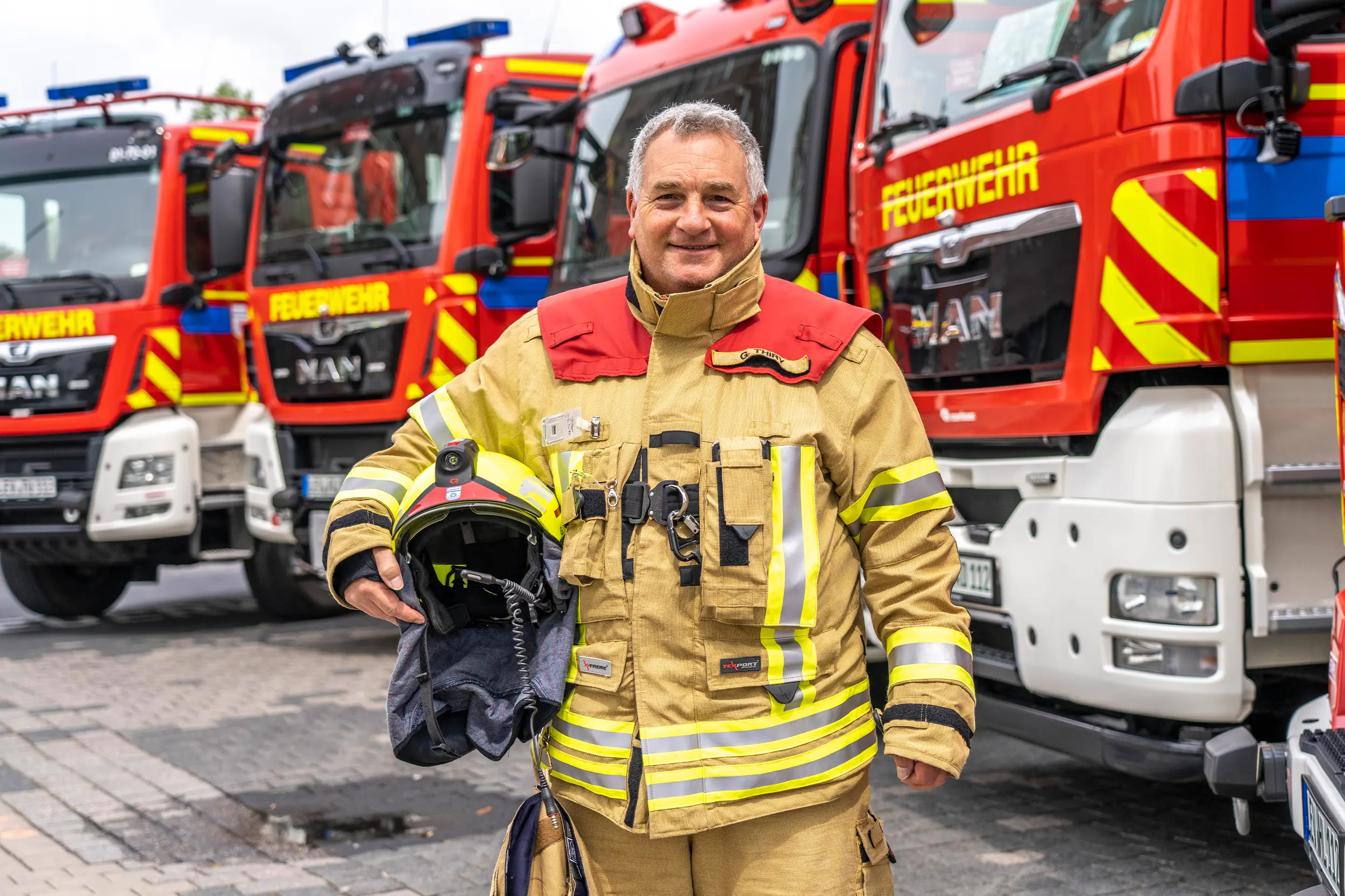
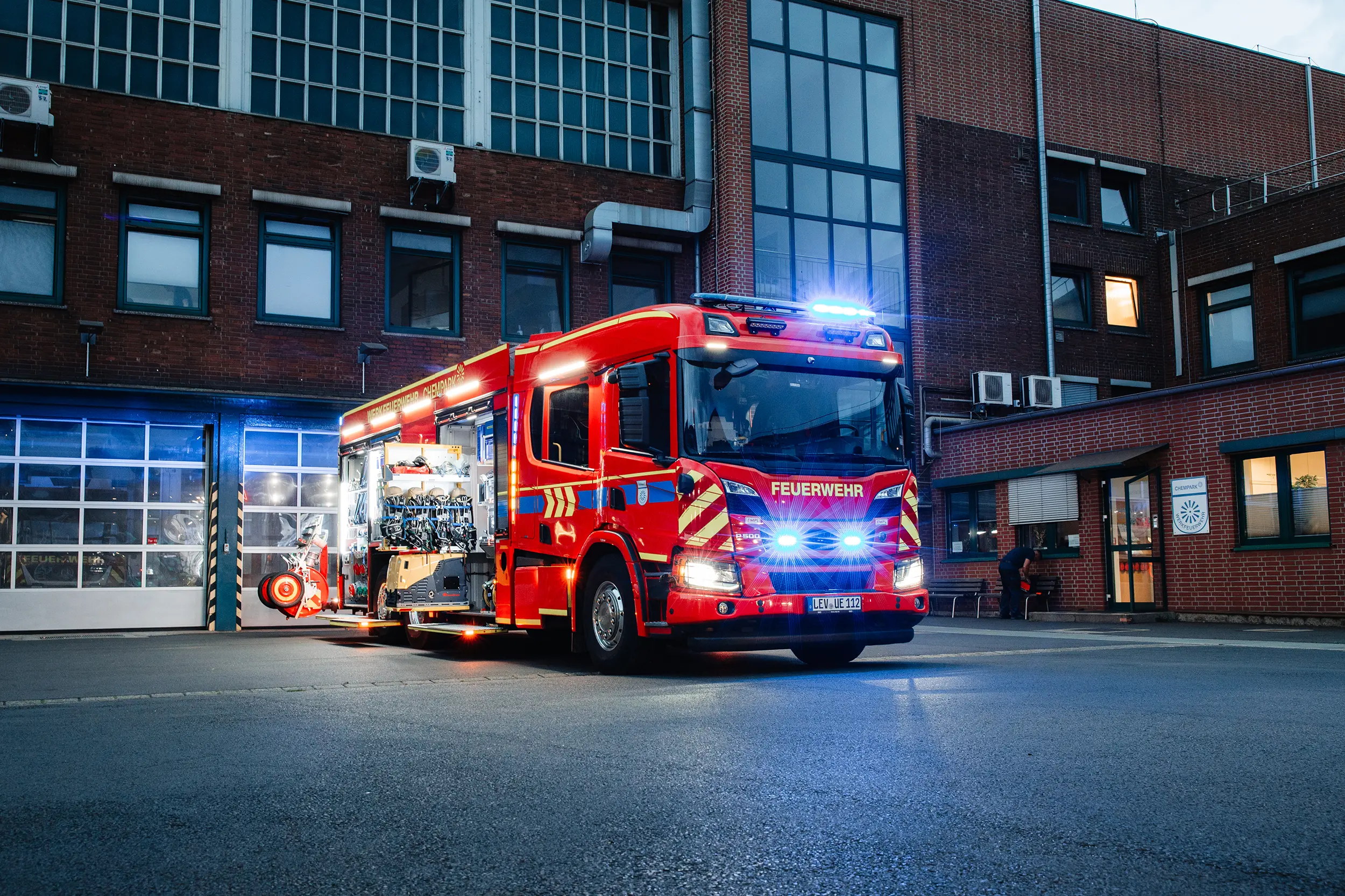
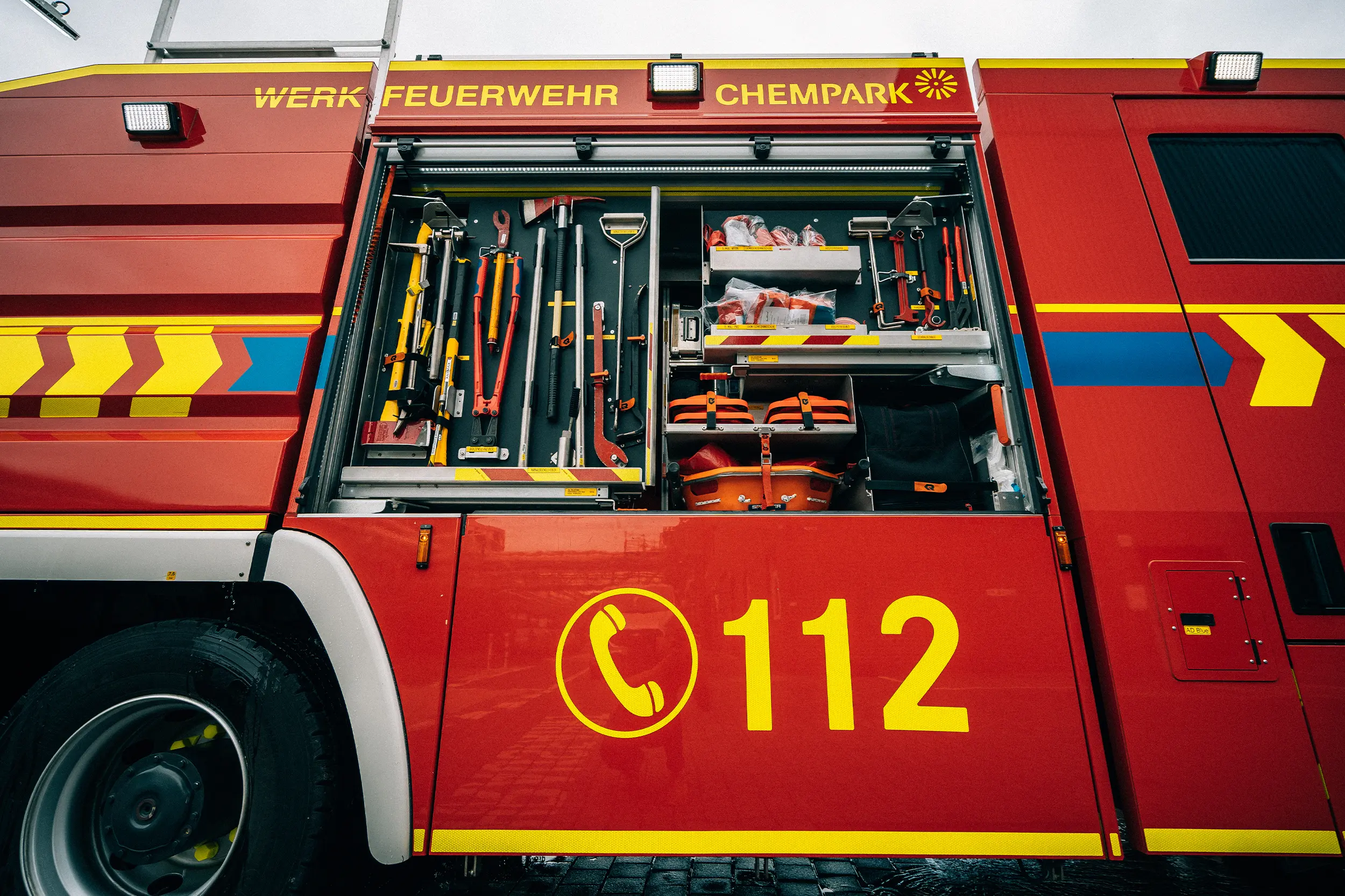
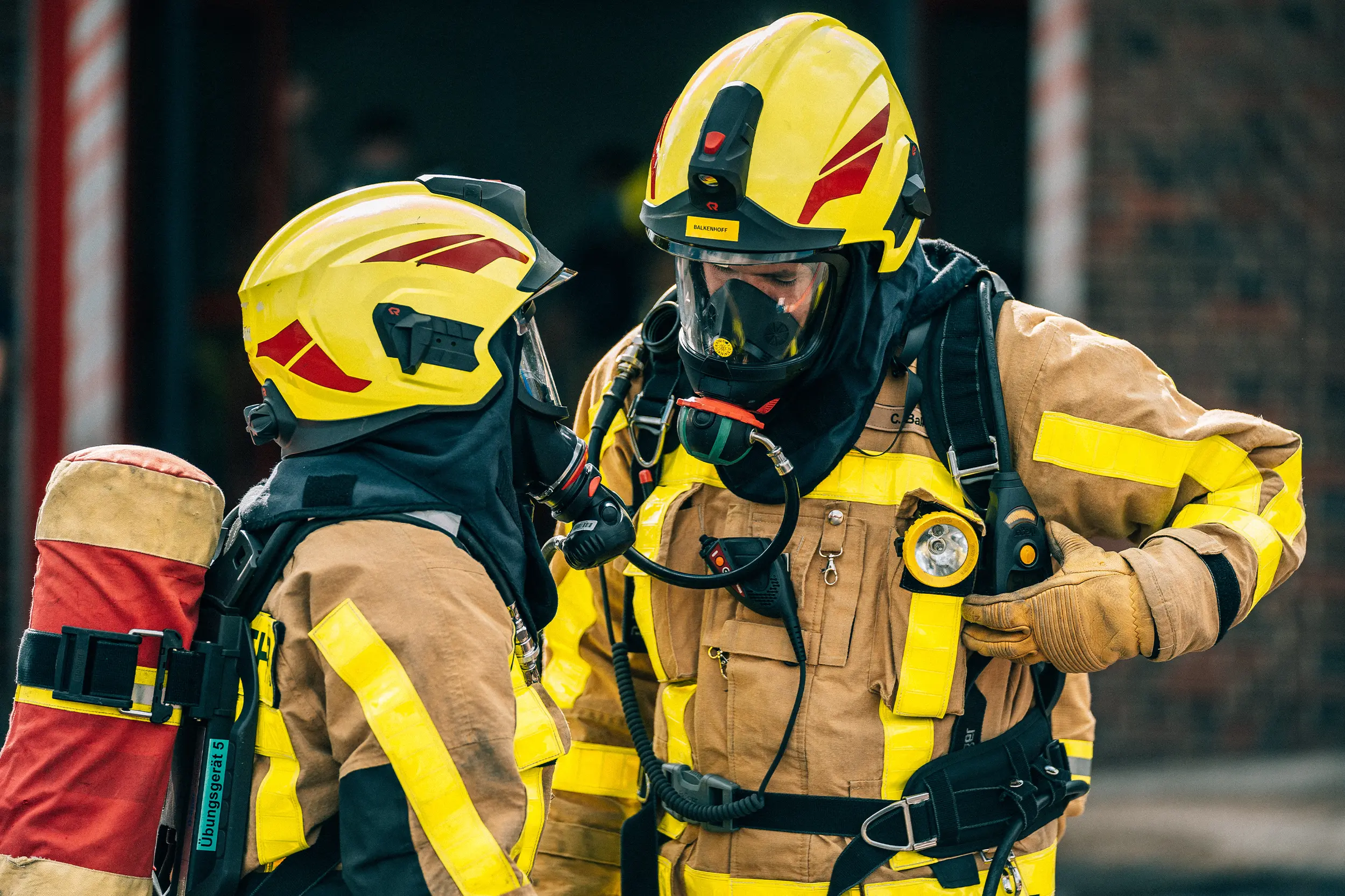
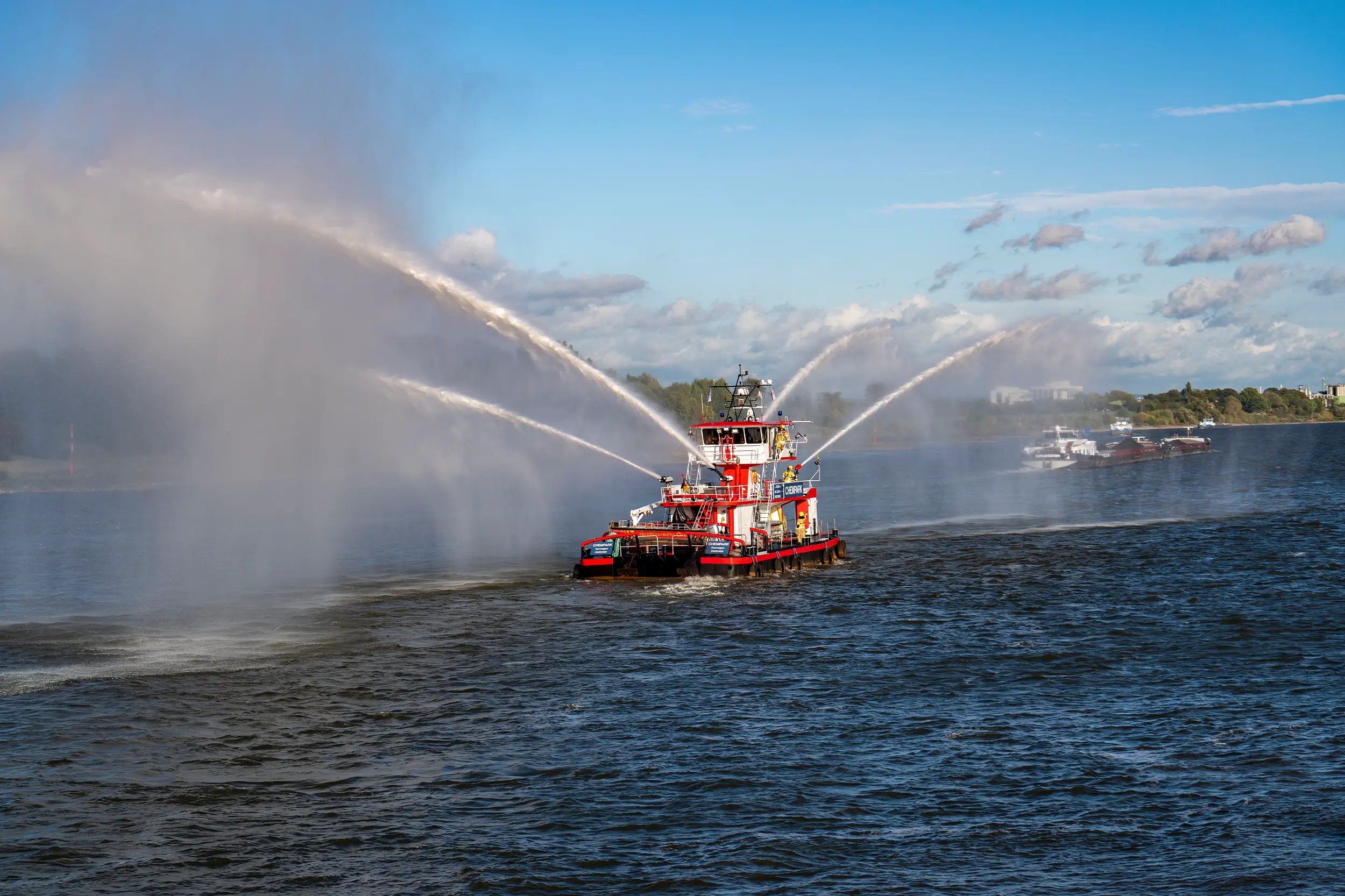
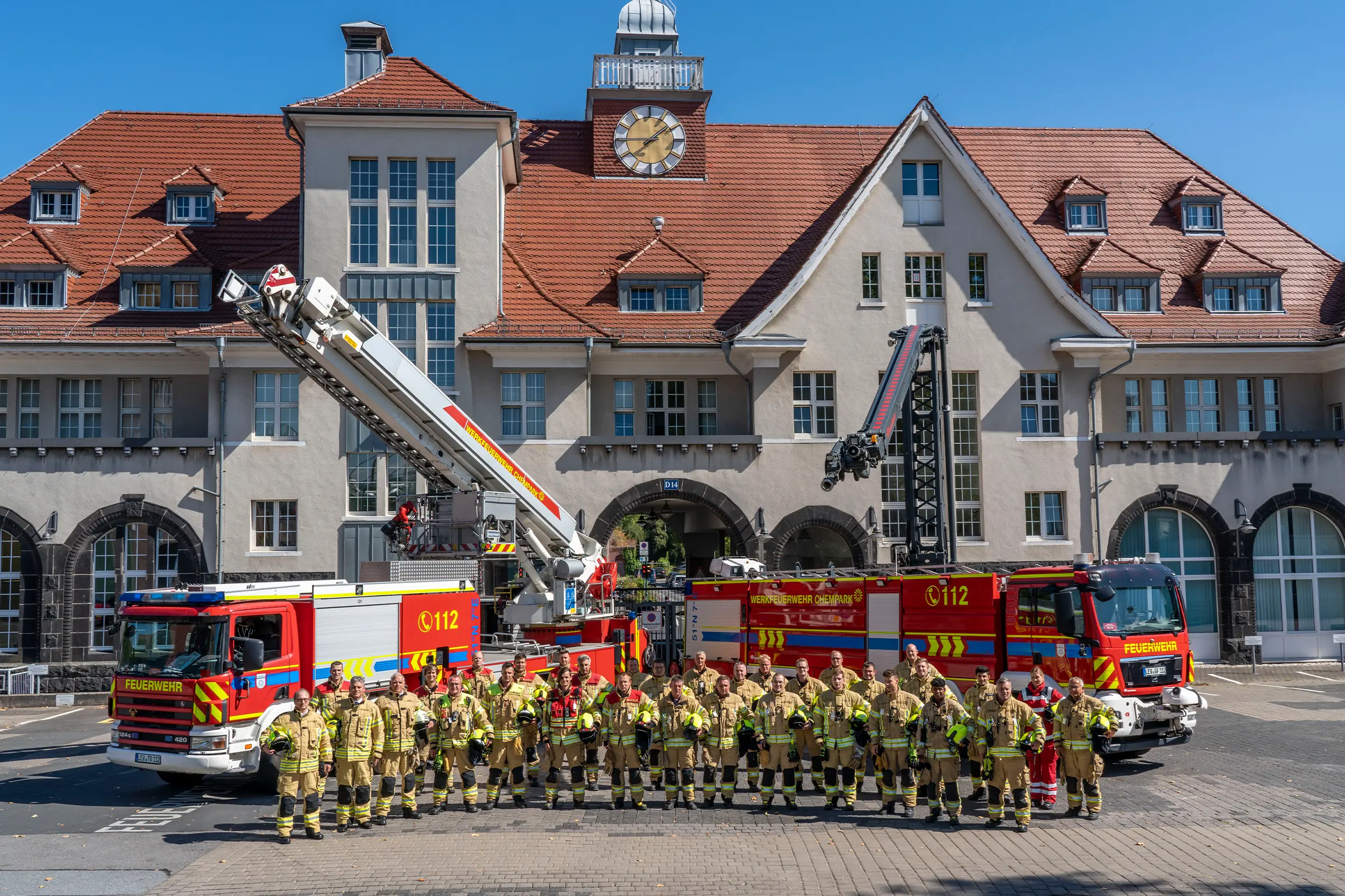
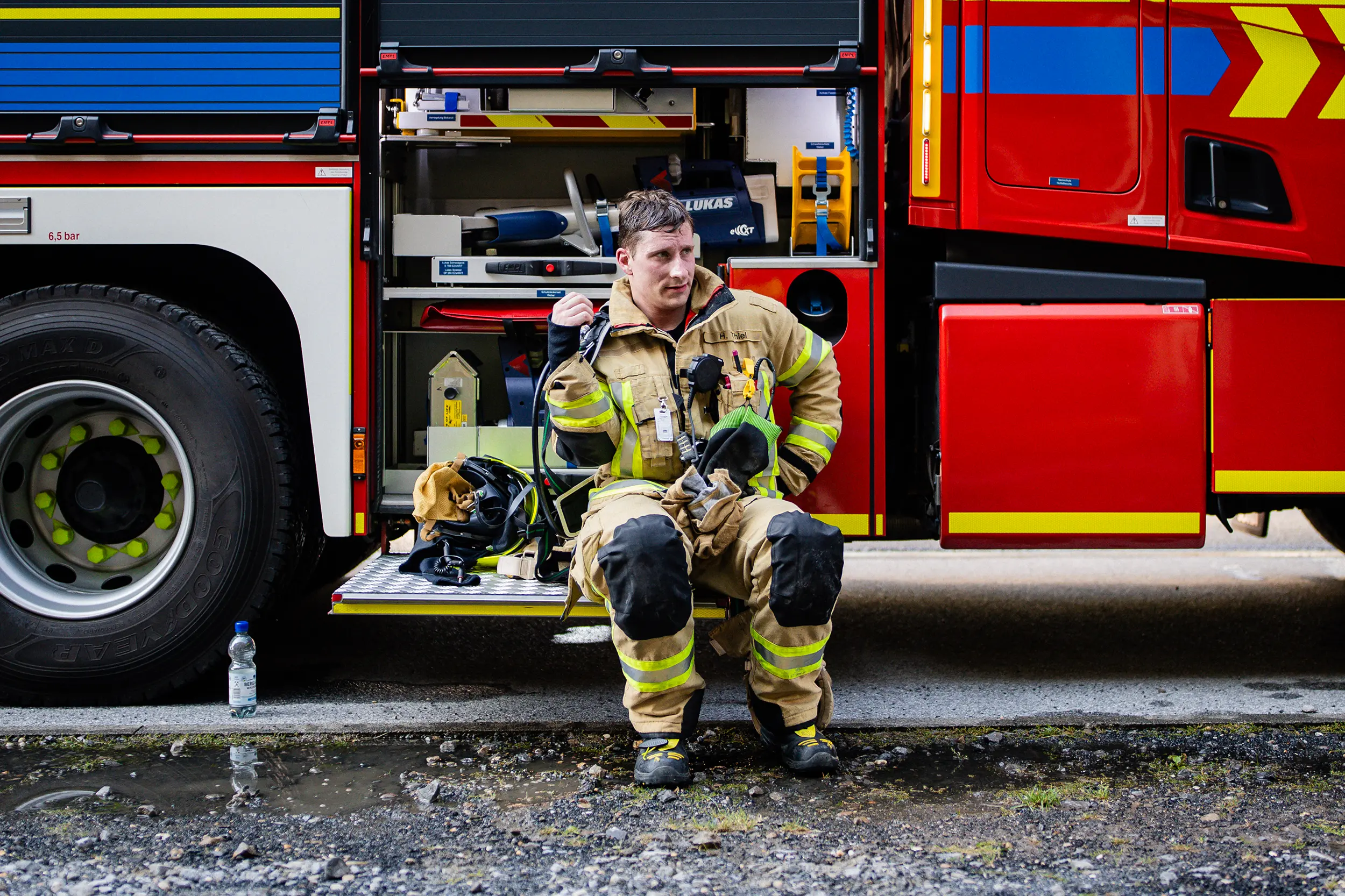
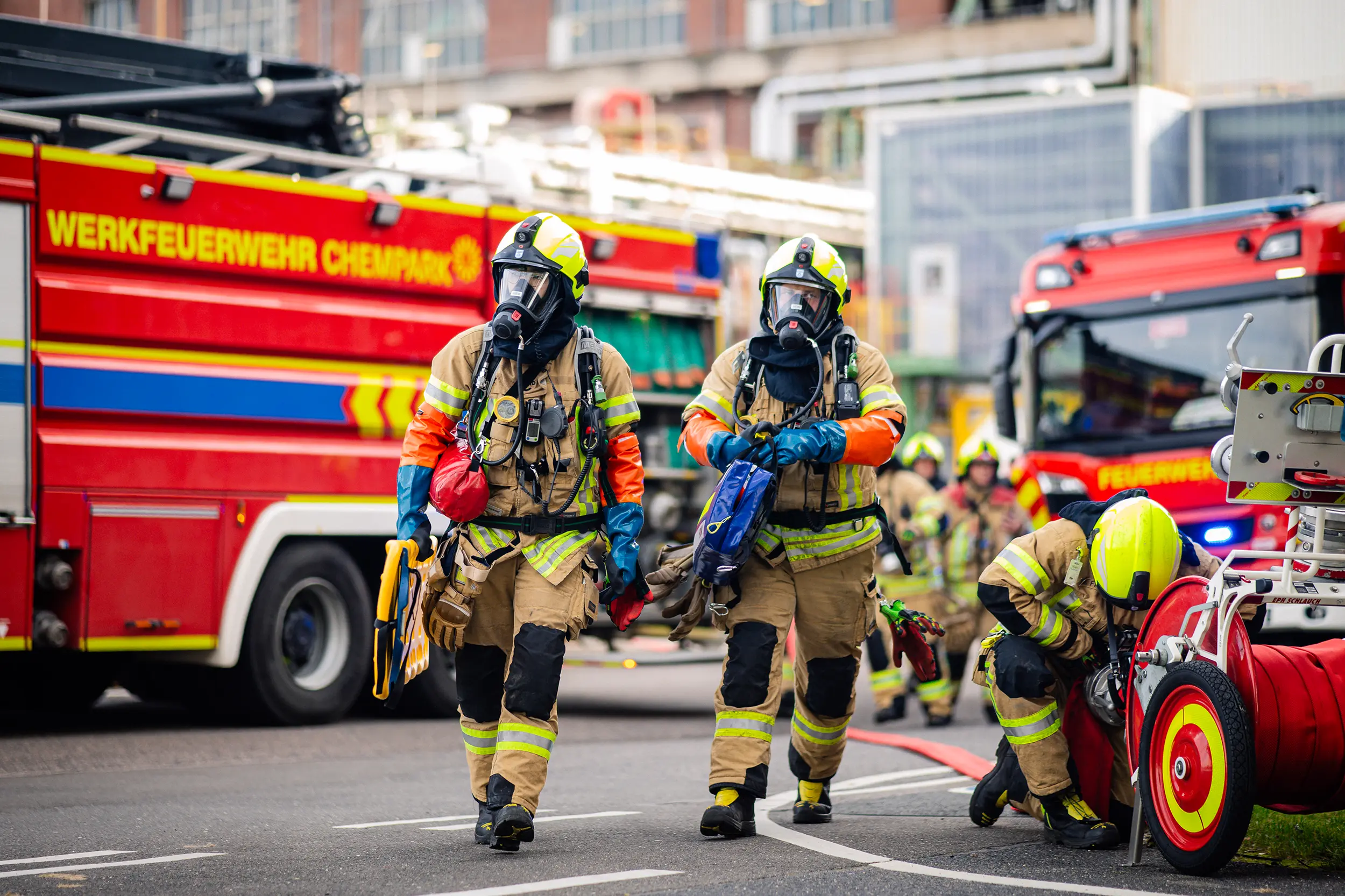
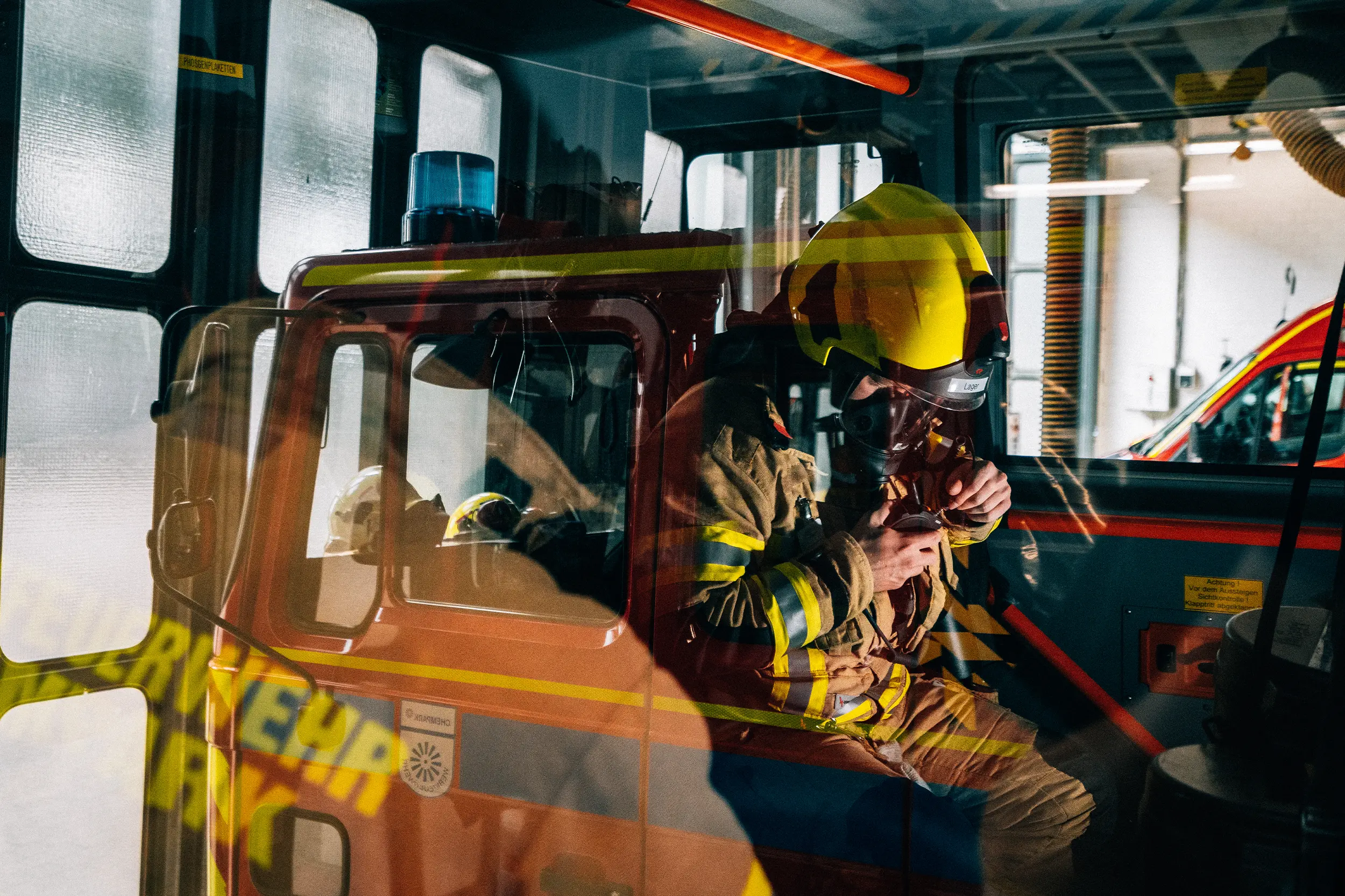
The CHEMPARK on-site fire brigade specialises in meeting the demands of an industrial environment. It protects people, plant and infrastructure at all sites and is ready for action at all times. In addition to extensive technical resources, it is above all the highly motivated, well-trained and experienced firefighters who act quickly, safely and professionally in the event of an incident.
Their work begins long before a potential incident occurs. The plant fire brigade is involved at an early stage in planning, risk analyses and safety concepts. Technical equipment, detailed knowledge of the site and regular drills ensure that operations can be carried out quickly, precisely and effectively — even under complex conditions.
Figures, data, facts
- One of the largest in-house fire brigades in the chemical industry in Germany
- Around 450 emergency service personnel at three locations
- Over 1,000 call-outs a year, including in the areas of fire safety, hazardous materials and technical assistance
- Over 130 emergency and specialist vehicles, including fire engines and tanker fire engines, specialist vehicles for hazardous materials and chemical incidents, incident command, monitoring and logistics vehicles, as well as ambulance vehicles
Large-scale exercise at Chempark:
Emergency Medical Services
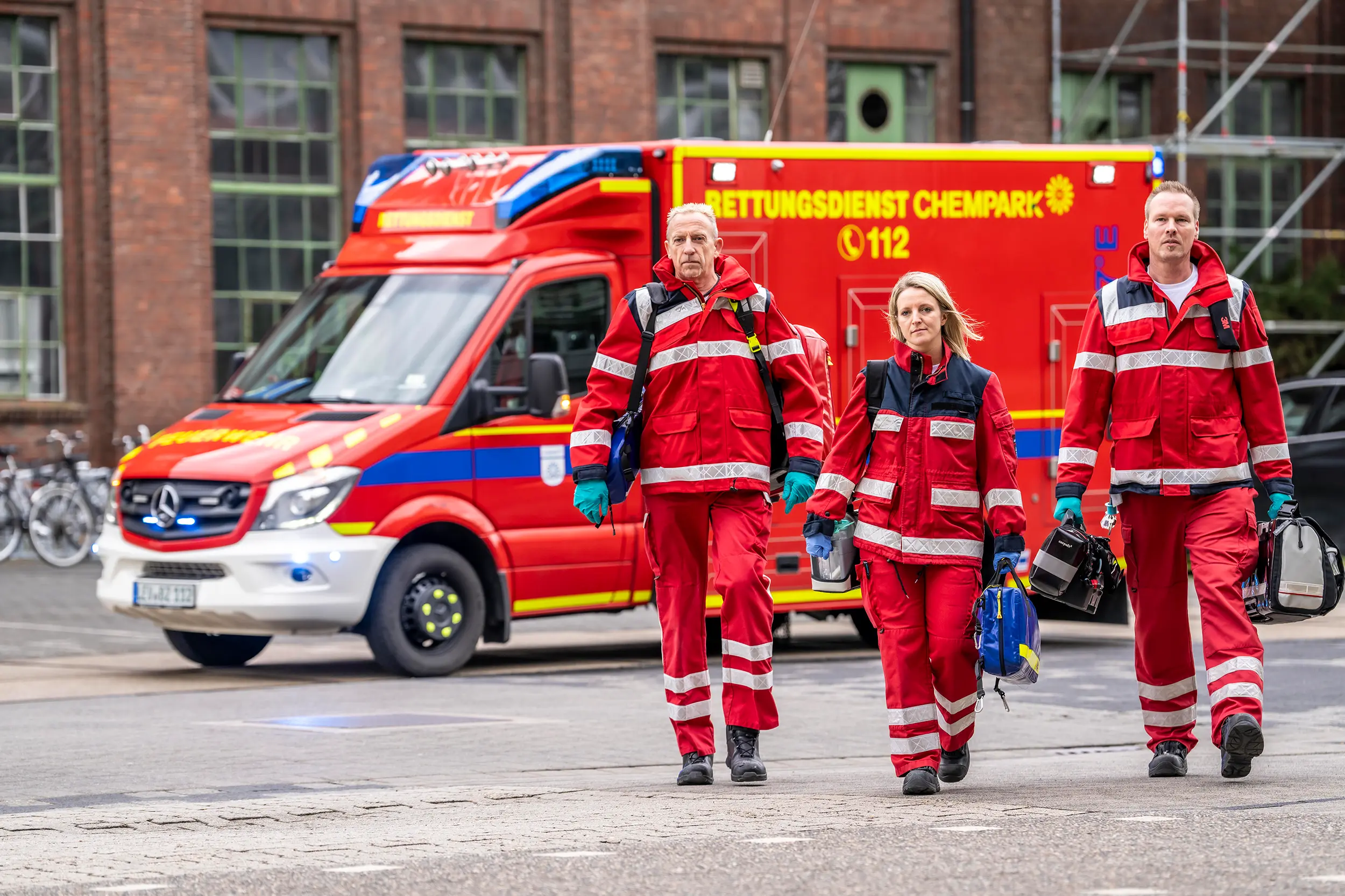
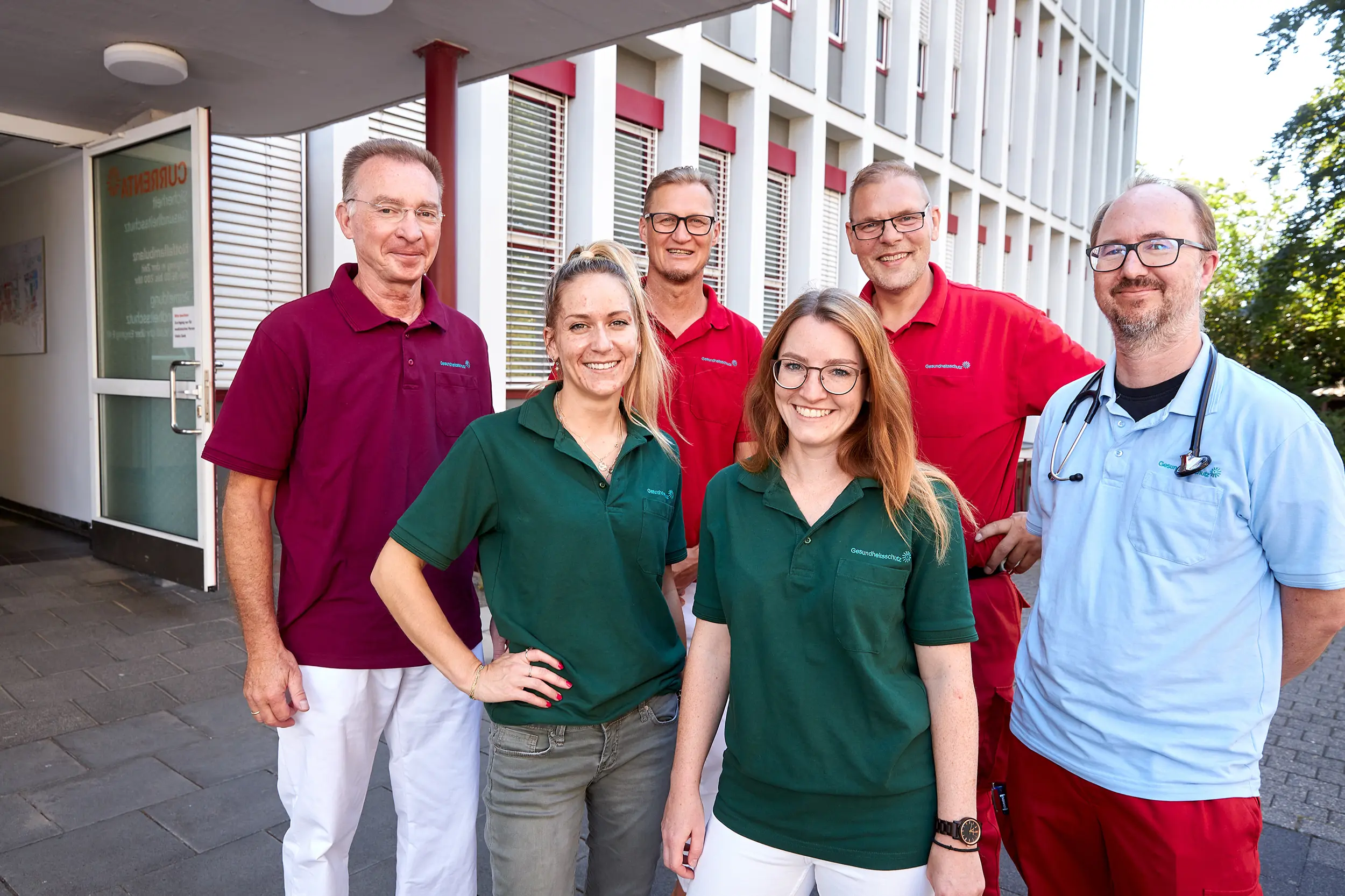
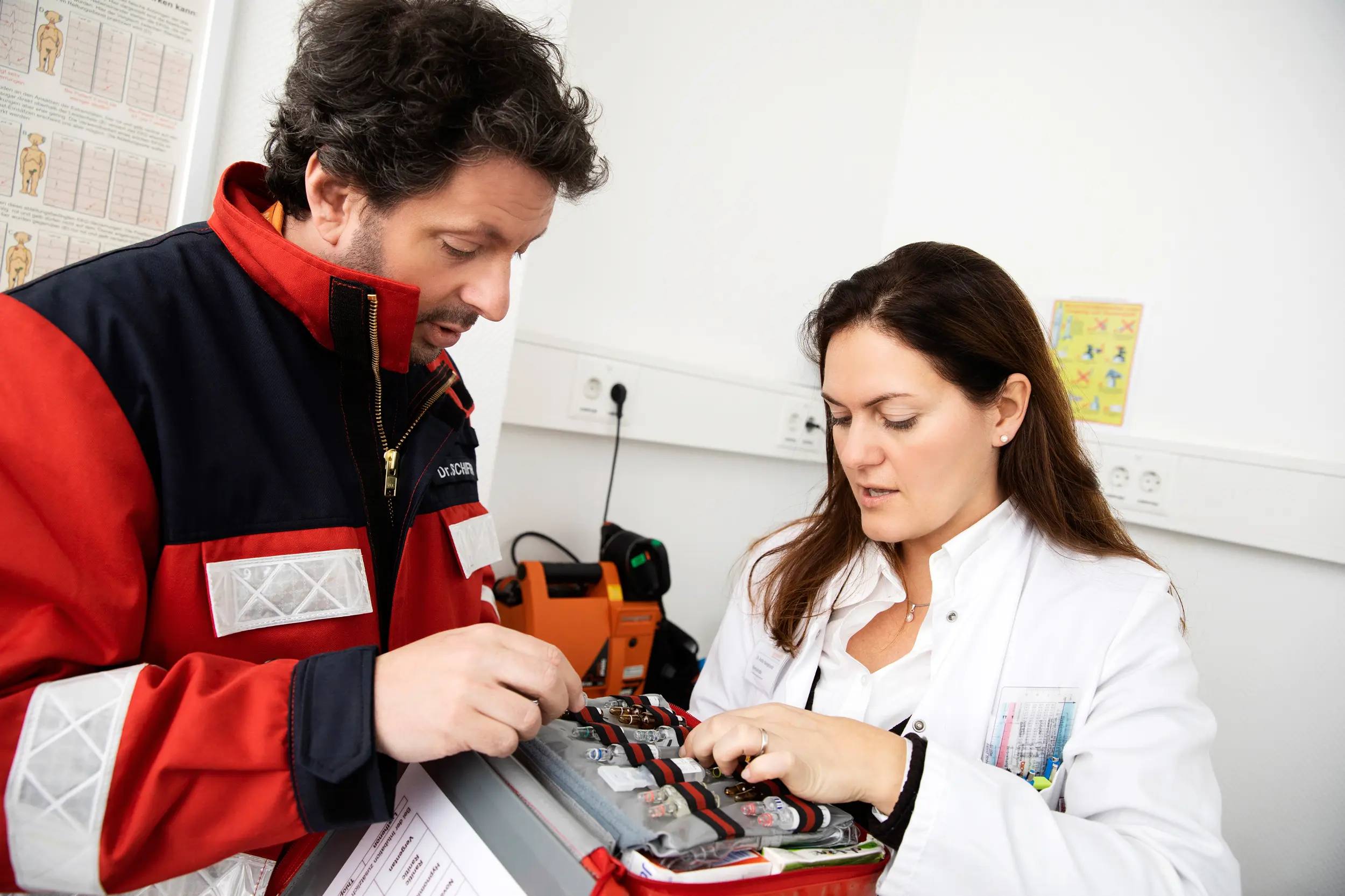
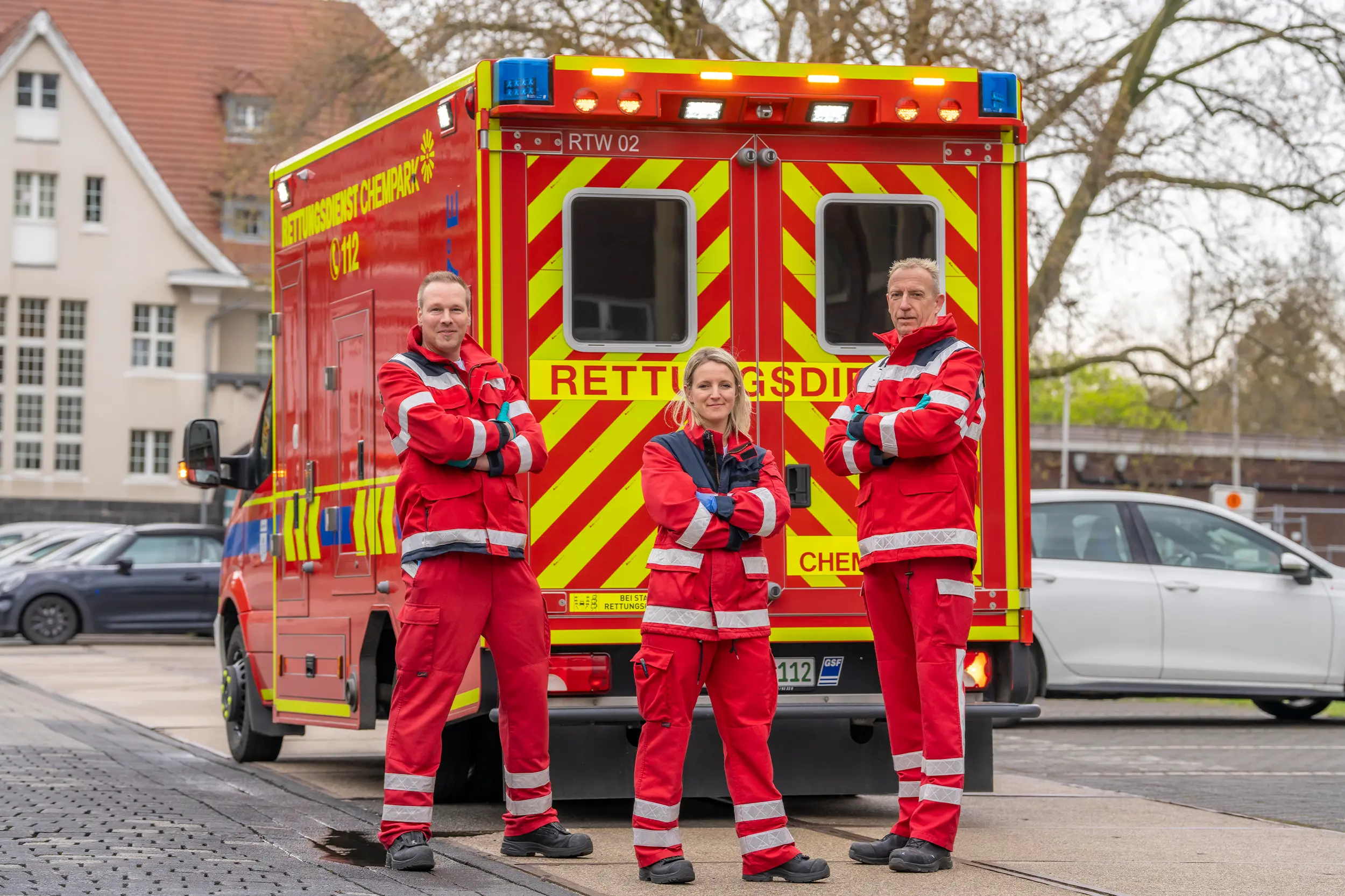
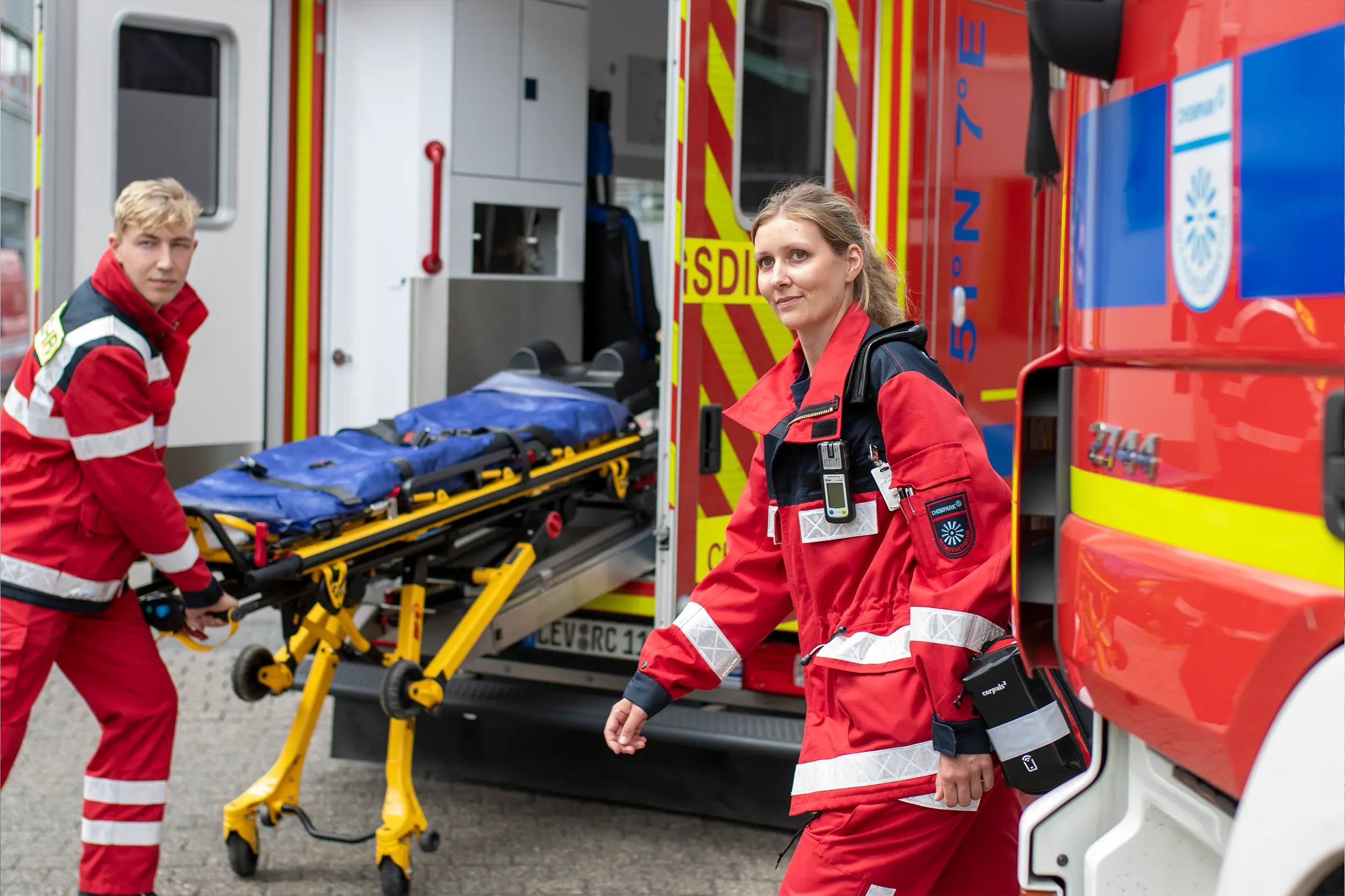
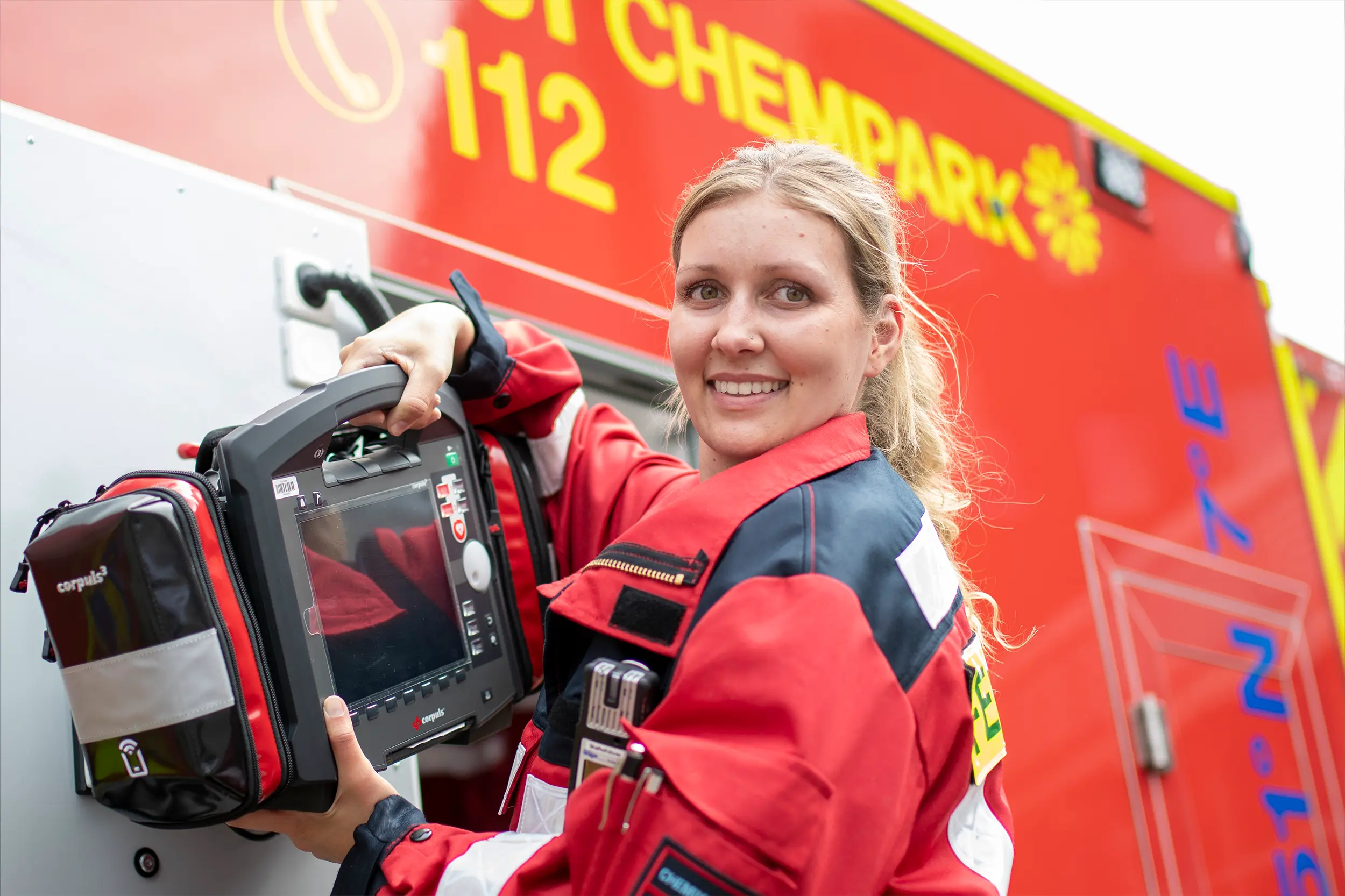
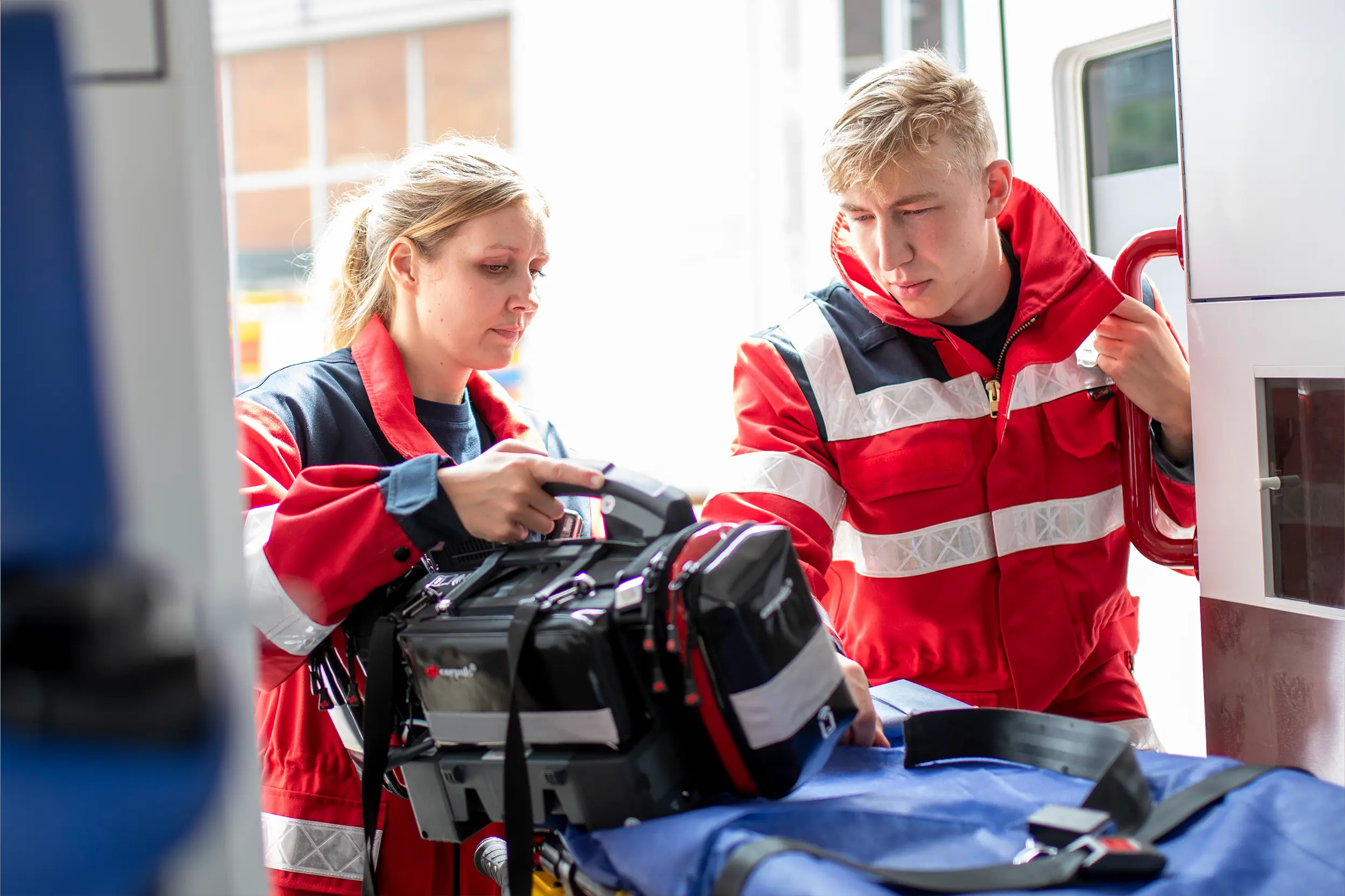
Medical care and prevention right there on the spot
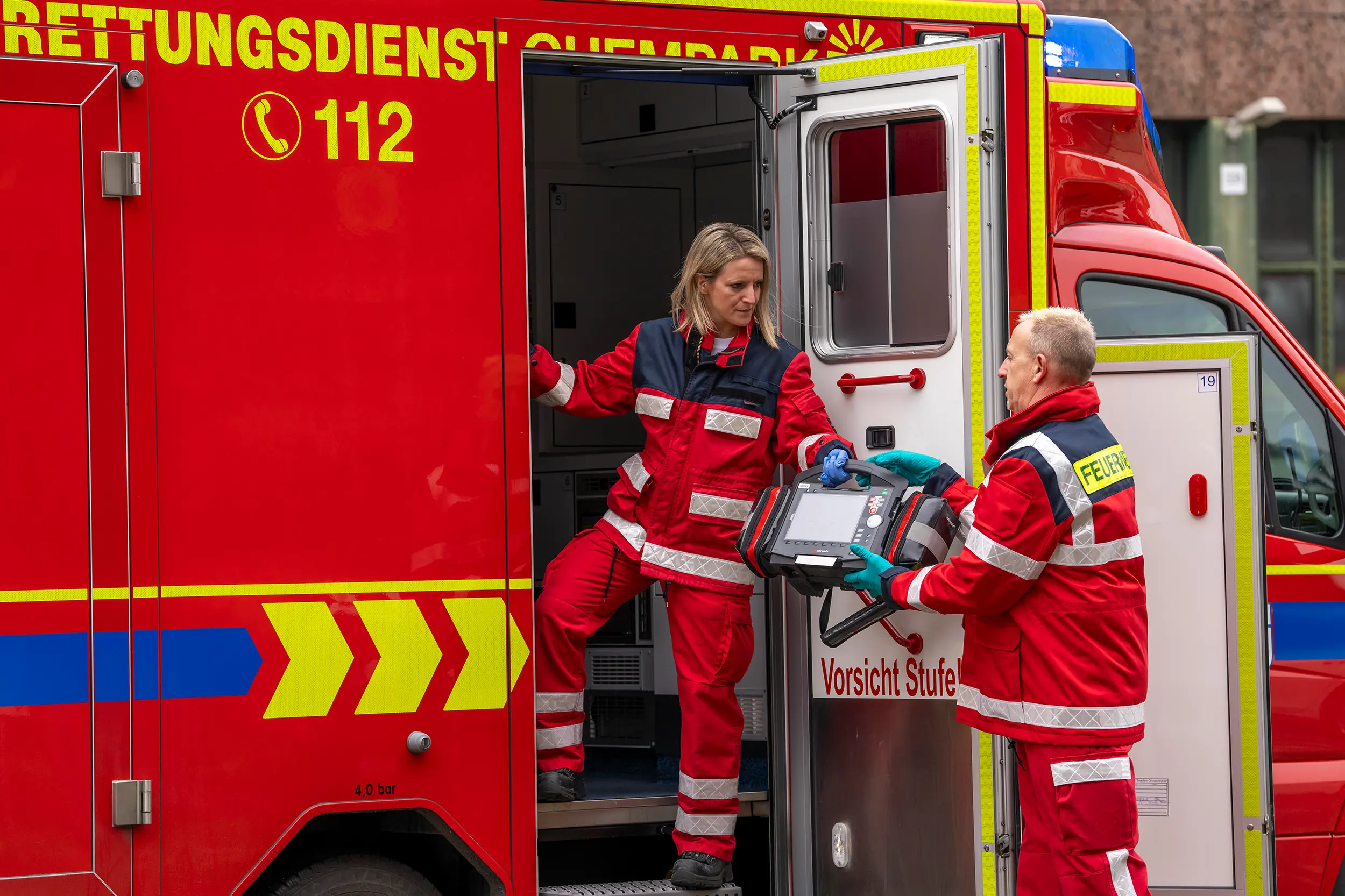
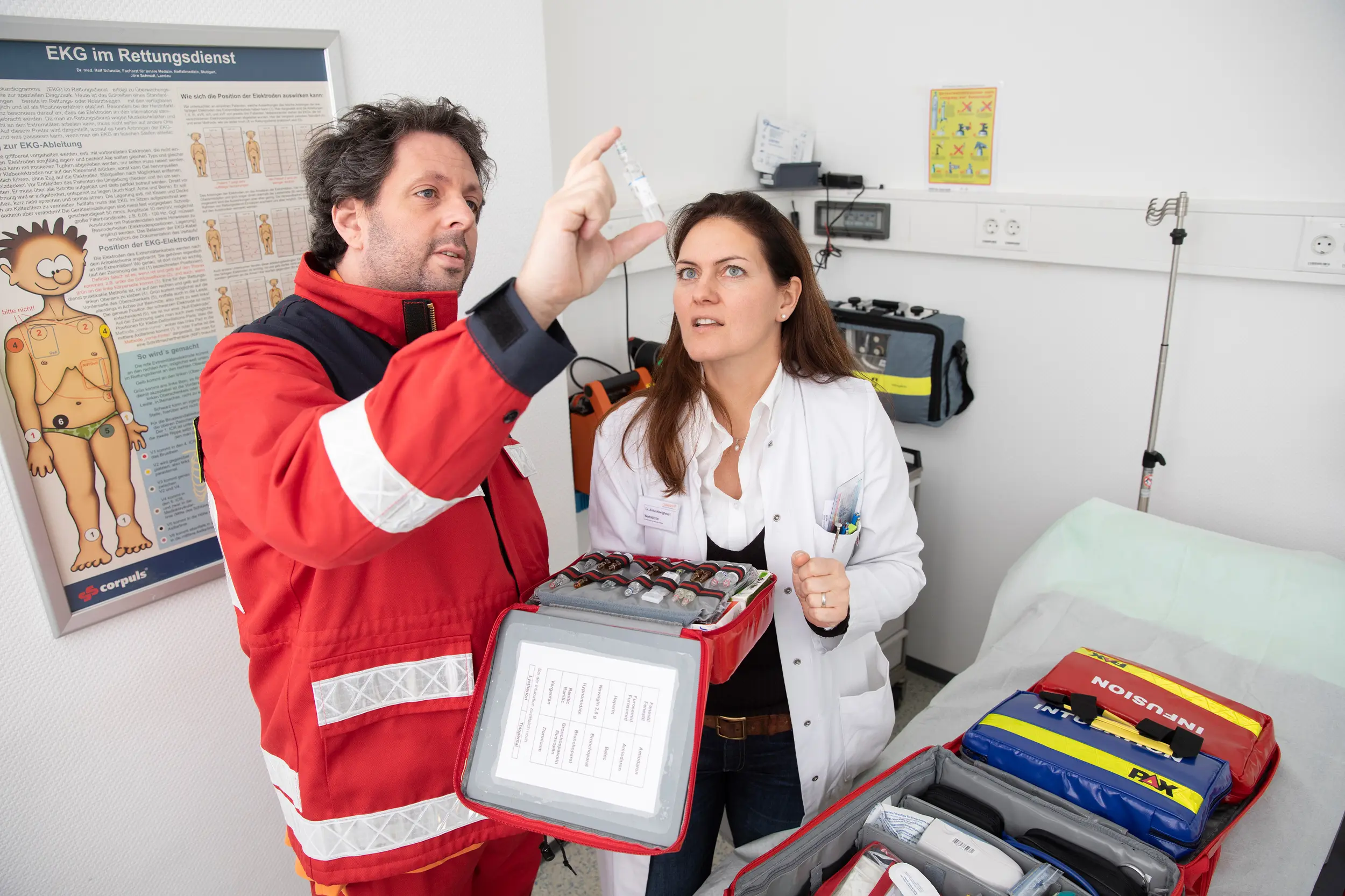
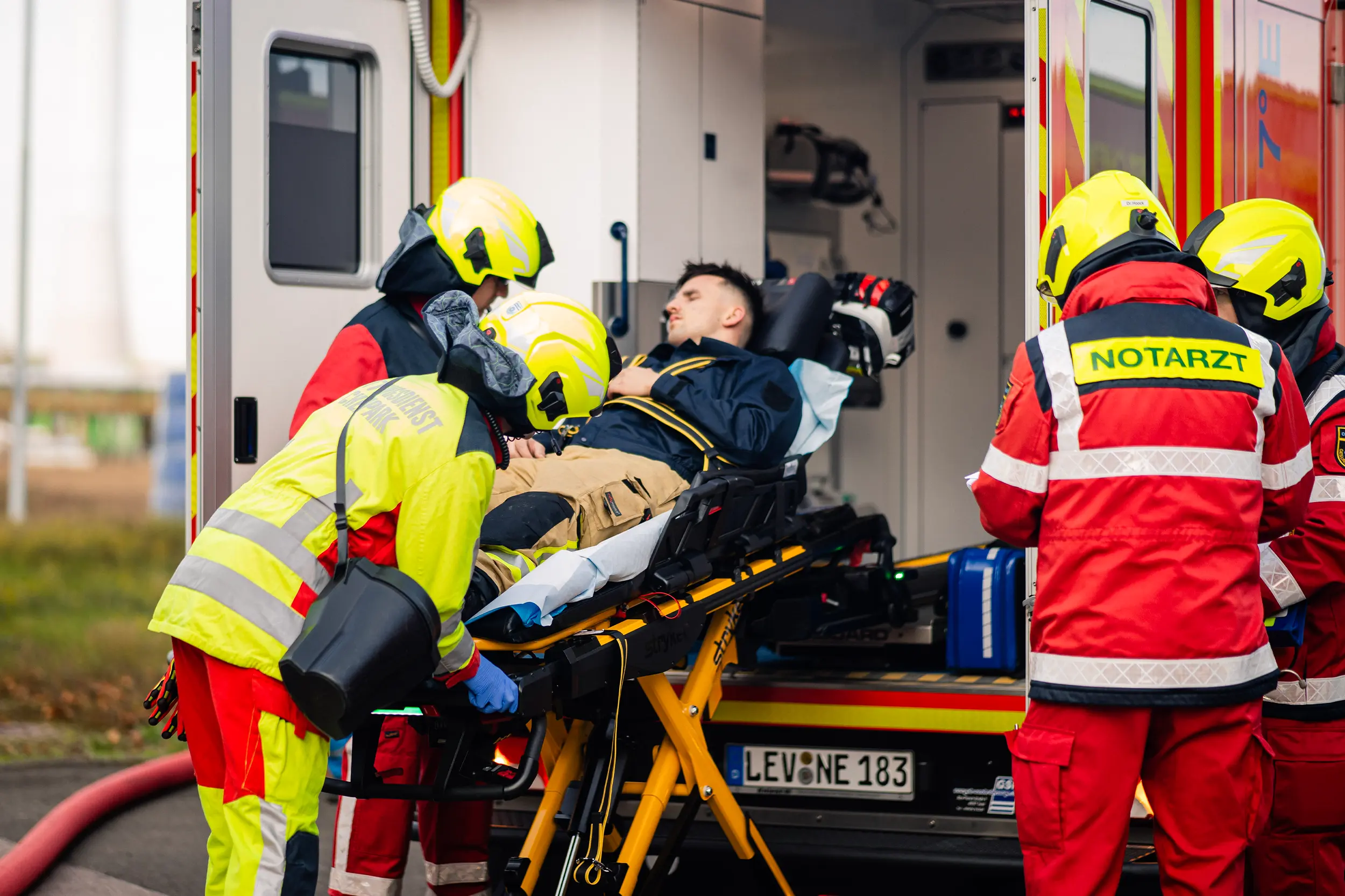
Figures, data, facts
- A dedicated first-aid clinic at each site
- A dedicated emergency doctor at each site
- Emergency medical care provided directly at CHEMPARK
- Occupational health care and preventive medicine
- Specialist expertise in chemistry-related issues
- Close cooperation between the plant fire brigade, the Safety and Security Control Centre and the occupational health and safety department
- Referral to suitable external medical facilities where necessary
Crisis management and crisis management team
Structure, coordination and clear decisions
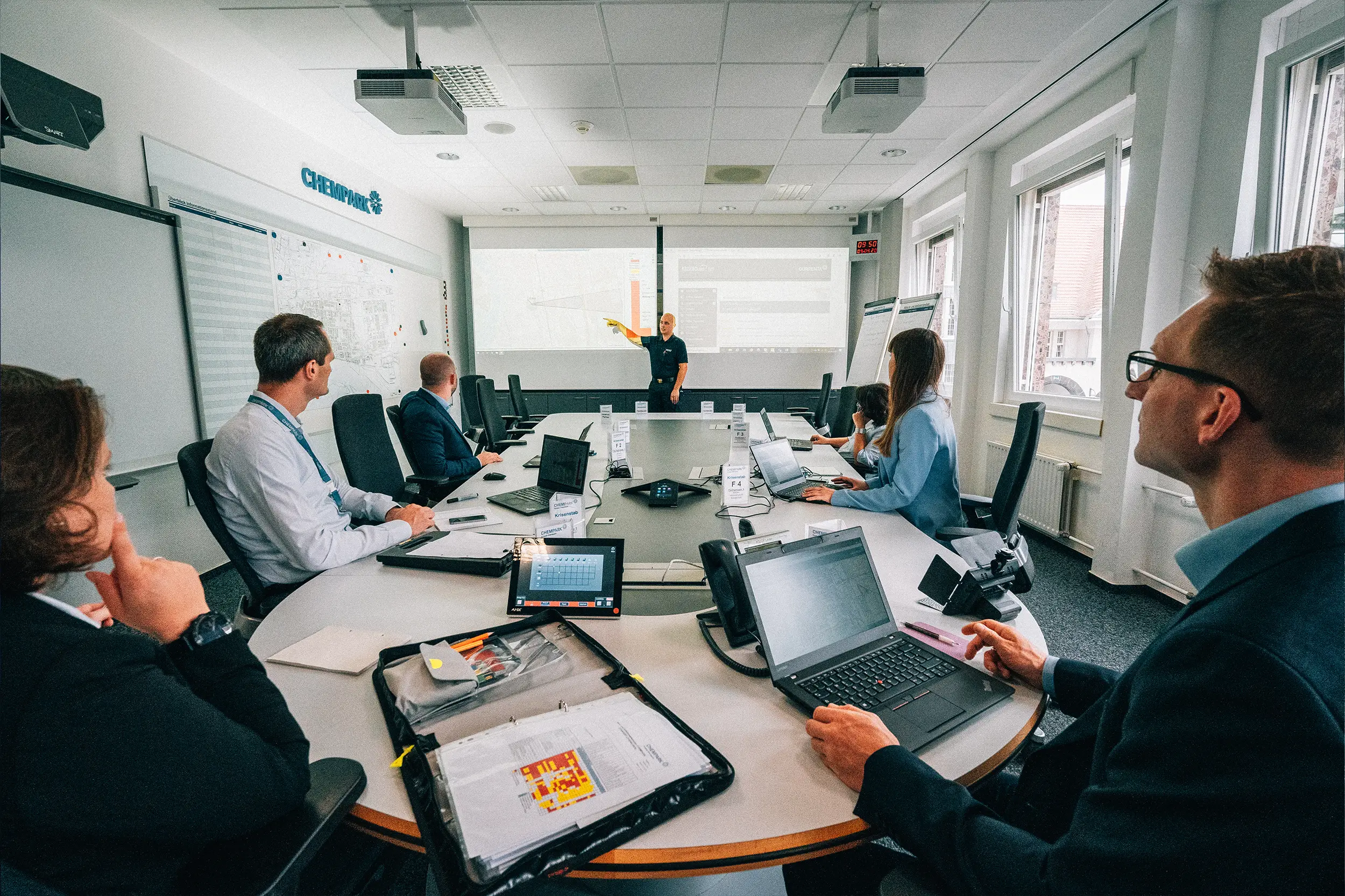
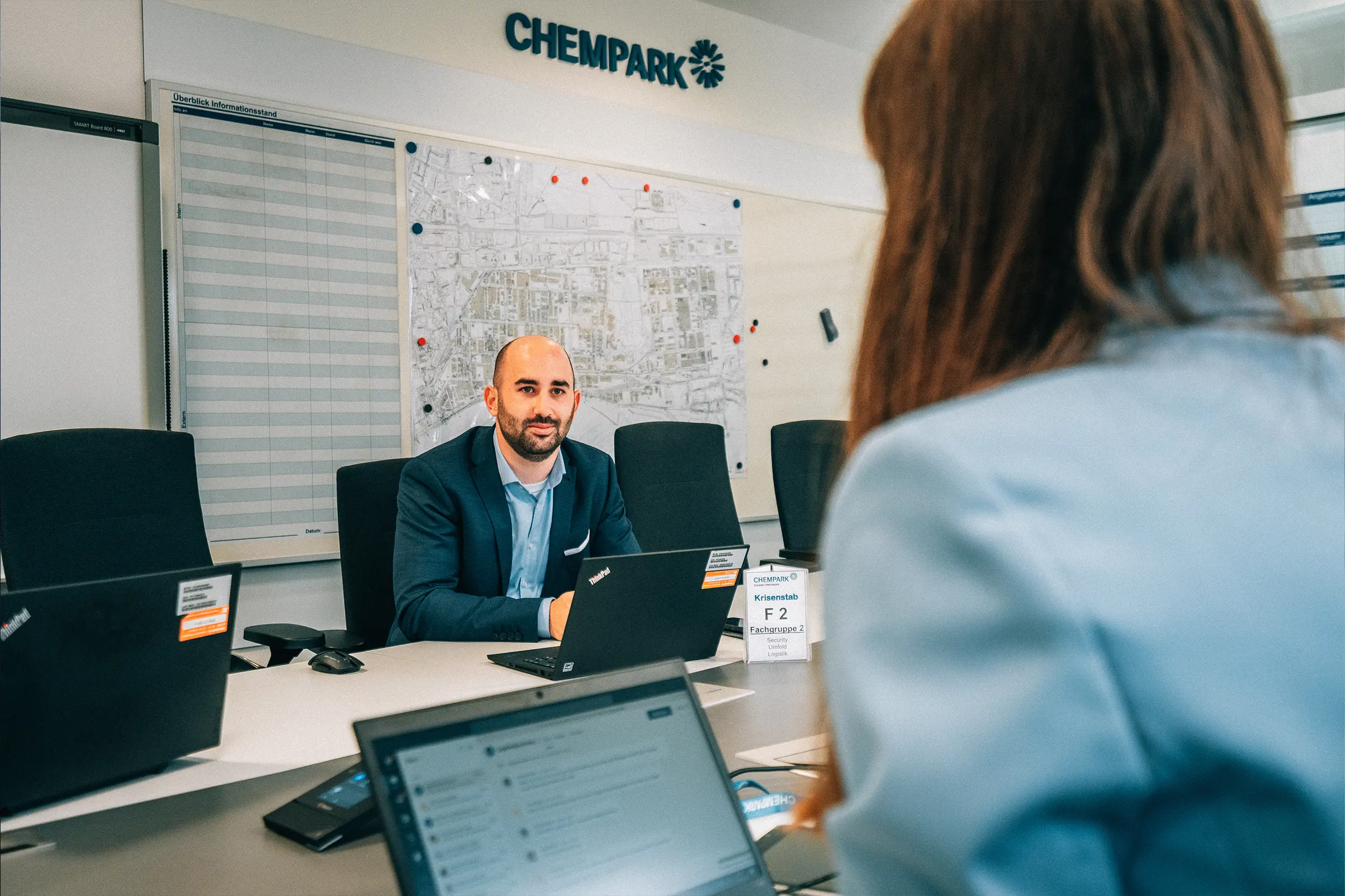
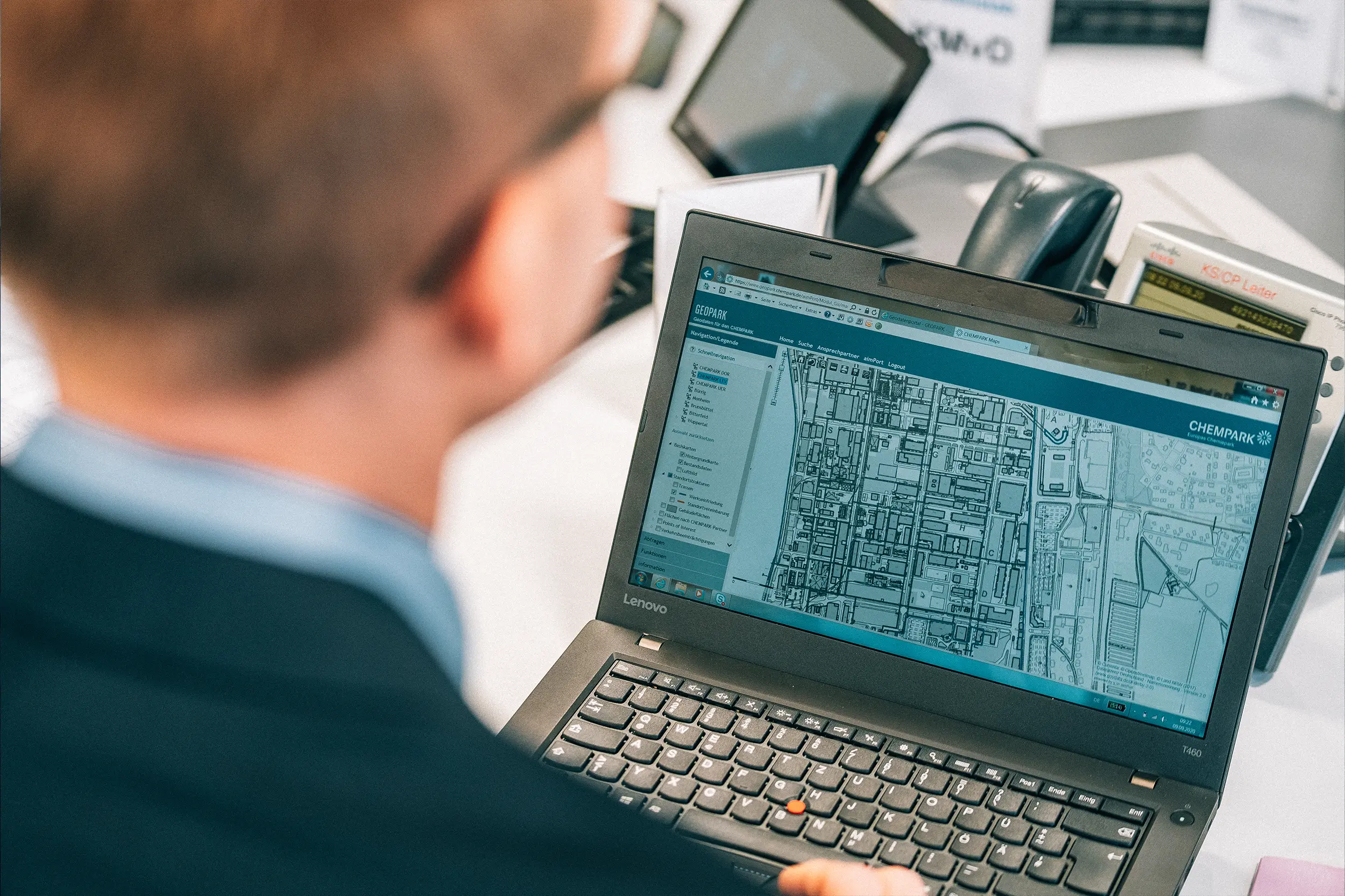

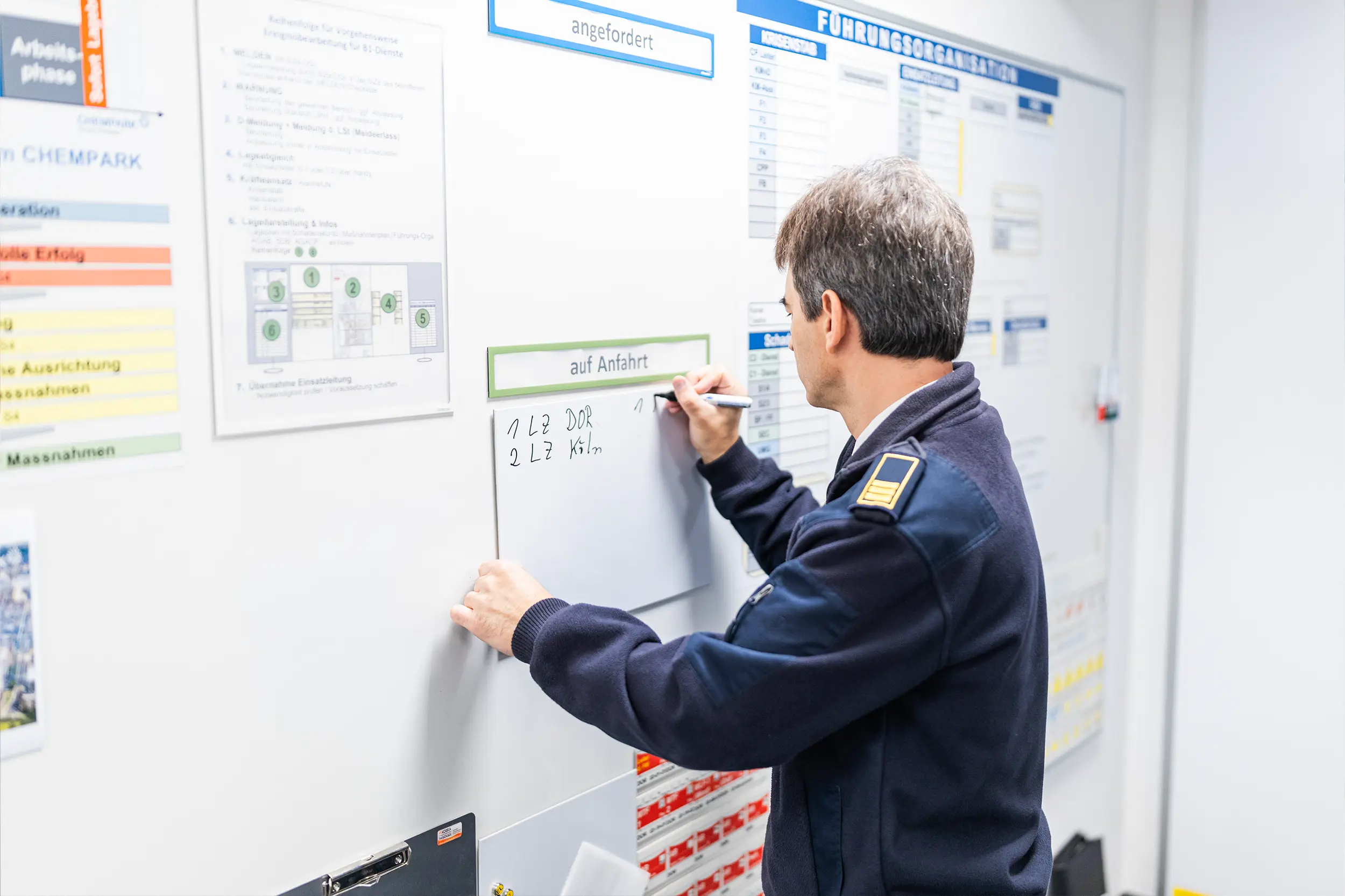
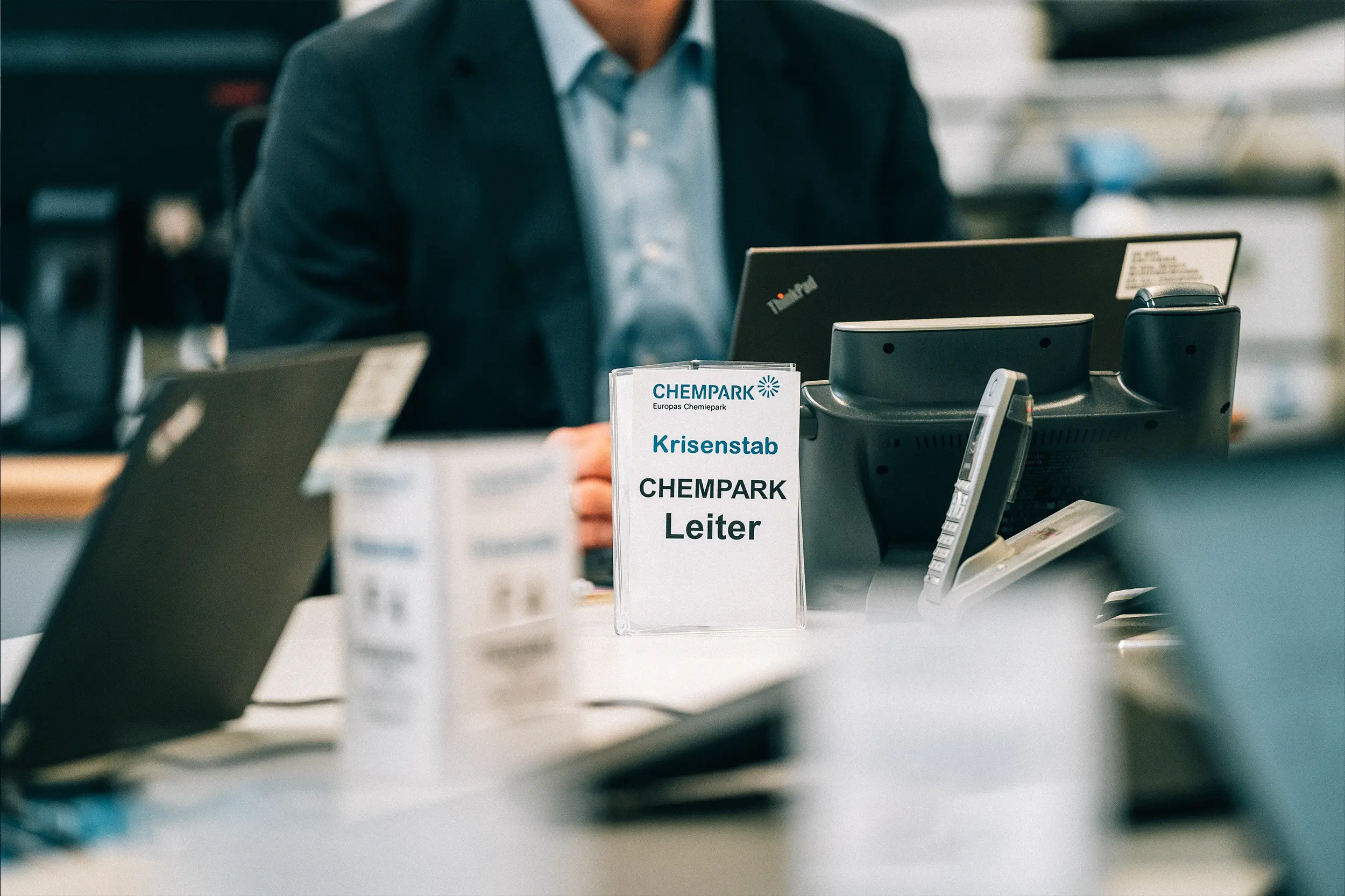
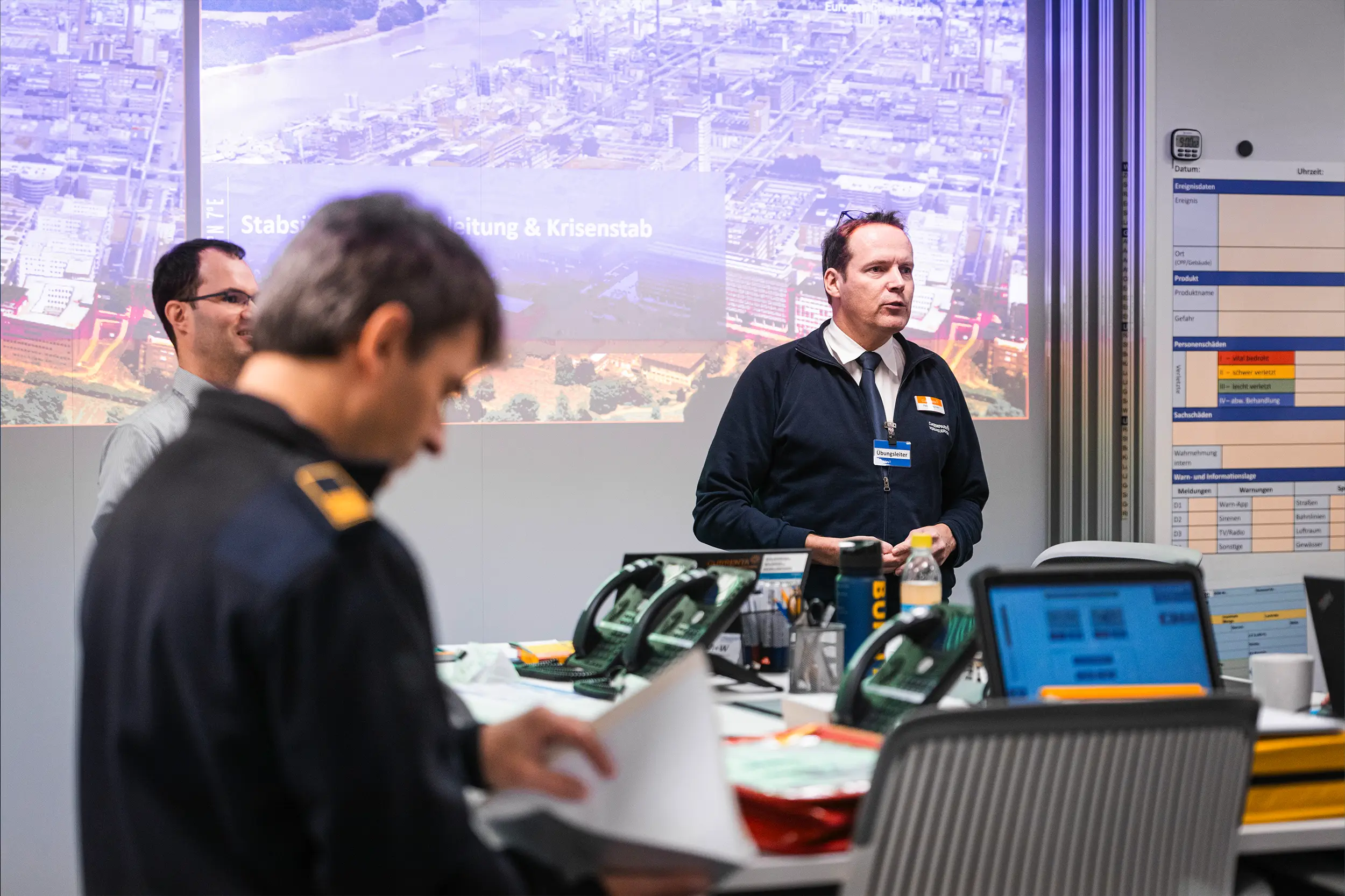
Crisis management plays a central role when events go beyond the immediate operational situation. It provides structure, coordination and decision-making capacity in complex or protracted situations. This includes pooling specialist knowledge, coordinating across multiple organisational units and ensuring clear decision-making processes.
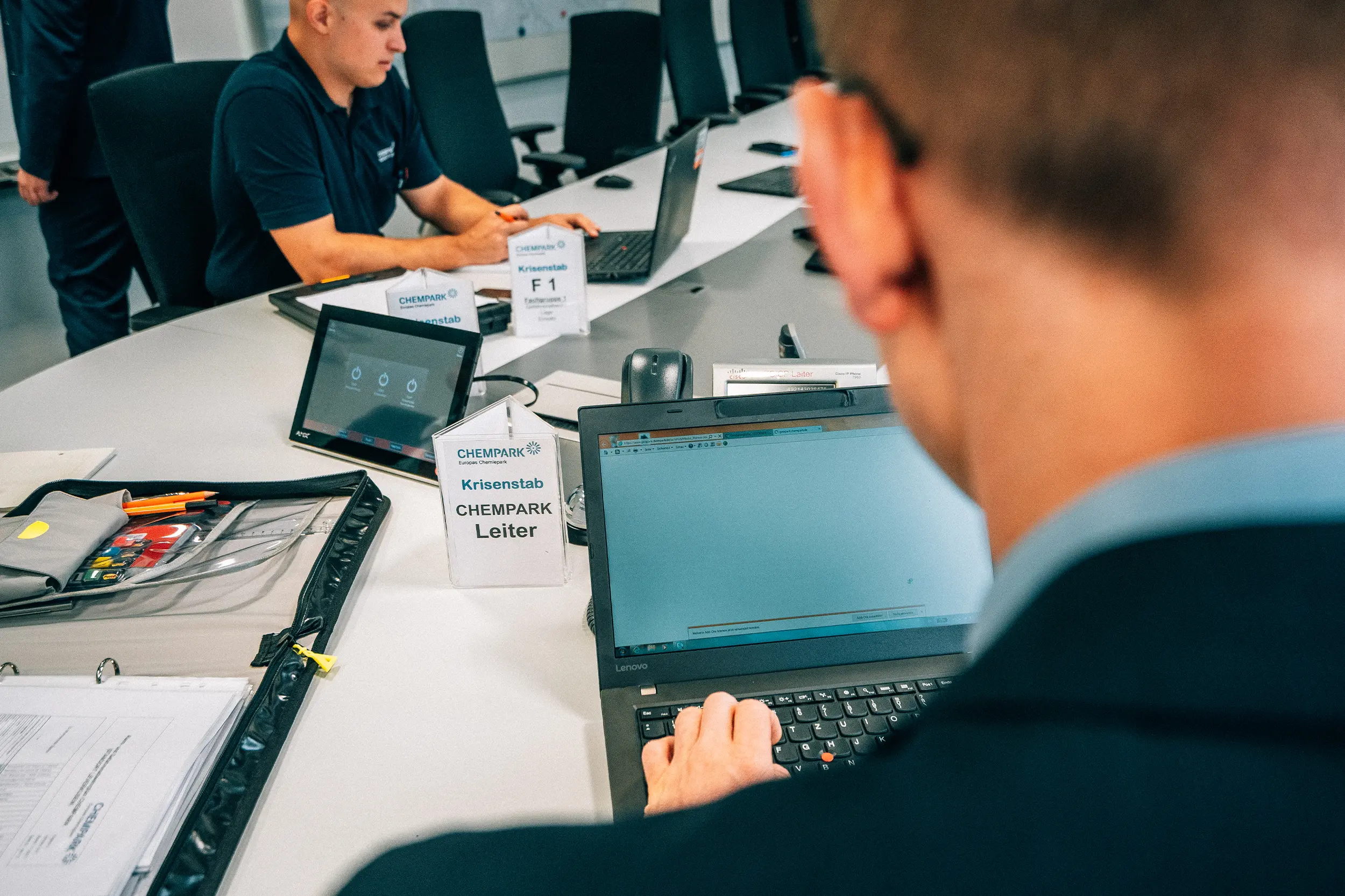
If the scale or dynamics of an incident requires it, the crisis management team is activated. It serves as the central decision-making body in an emergency. Here, specialists and managers, affected companies and experts work together to strategically manage complex situations. Operational command and strategic management are clearly separated yet closely coordinated.
The aim is to limit the impact at an early stage, provide guidance and safeguard CHEMPARK’s operations as effectively as possible — even under considerable time and information pressure.
Figures, data, facts
- Structured escalation and decision-making stages
- A permanent on-call service provided by qualified crisis managers
- Activation of the crisis management team depends on the scale and dynamics of an incident
- Over 300 qualified individuals are available to take on roles within the crisis management team across all sites
- Dedicated, technically equipped crisis rooms at all sites
- Regular training sessions, drills, staff exercises and simulation exercises
- Close coordination with the security control centre, the in-house fire brigade and communications
The crisis management team in action – a command-level exercise at Chempark Dormagen:
Crisis communication
Prompt information in the event of an incident
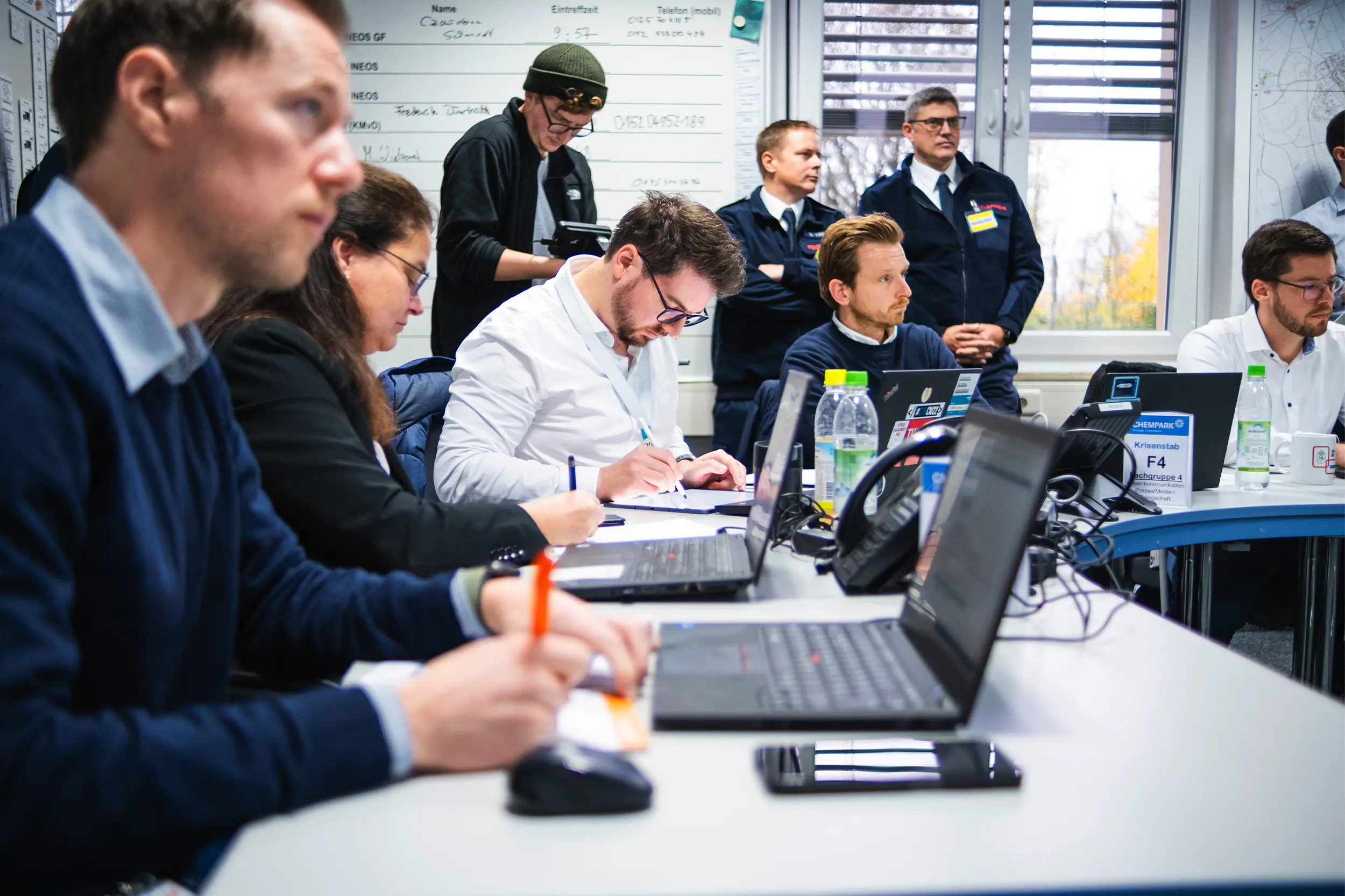
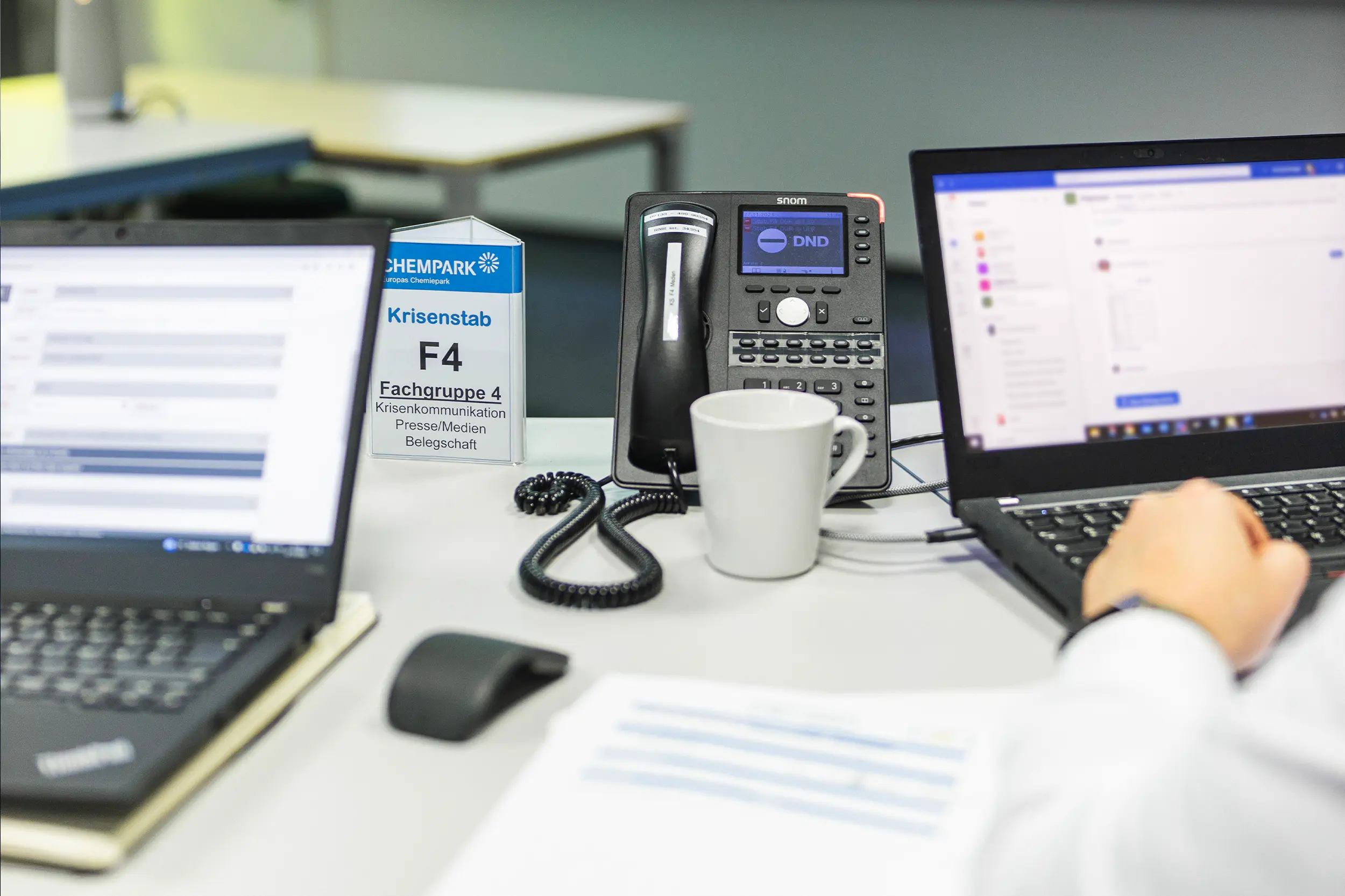
In the event of an incident, the local community, the media and other stakeholders are informed quickly and reliably. CHEMPARK has its own well-established communication structures in place for this purpose.
The aim is to provide reliable information at all times and to prevent speculation. Communication builds trust – particularly in the immediate vicinity of our sites. Dialogue with the local community is of particular importance in this regard.
Various channels are used for communication, including social media channels, press releases, the neighbourhood newsletter and a helpline for enquiries. Designated contact persons and spokespersons are available to handle media enquiries.
Figures, data, facts
- 24/7 on-call service for crisis communication
- Full integration into the structures of the crisis management team and crisis management
- Regular exercises in crisis and incident communication
- Multi-channel communication via social media, the website, newsletters and the helpline
- Access to coordinated and verified information in the event of an incident
Dialogue with partners
Learning together, sharing knowledge, further developing standards
Safety cannot be achieved in isolation. That is why CHEMPARK is in regular contact with public authorities, fire services, specialist organisations, partner companies and other experts. Joint exercises, training courses, trade fairs, association work and networking help to share experiences and continuously develop safety processes.
A key component is the technical expertise of the staff. They contribute their knowledge through their day-to-day work, in drills, on specialist committees, in publications and through dialogue with external partners. Their own training and regular professional development also help to keep knowledge up to date, pass on practical experience and further strengthen the safety organisation at CHEMPARK.
In this way, safety at CHEMPARK remains a learning system — interconnected, experienced and open to new insights.